Man With Van in De Beauvoir Town

Our man with van in De Beauvoir Town service is set up for practical local moves, careful item transport and straightforward collection work. It suits customers who need a flexible vehicle-and-labour option for furniture, boxes, appliances and other household or business items. We keep the service focused on the job in hand: moving things safely, loading them well and helping the day run in an orderly way from start to finish.
That can mean a single bulky item, a short-notice flat move, a room-by-room relocation or the transport of office equipment that needs sensible handling. The service is broad enough to support different move sizes, but it stays simple in approach. If you are comparing options, our man and van service gives a clear route to the kind of local help most people want without adding unnecessary complexity.
For a quote, send the key details of what needs moving, where it is going and any access points that may affect loading. A concise summary is usually enough to begin shaping the right plan. If you are ready to discuss dates and availability, get in touch here.
Local moving help arranged around the load
We handle the sort of work that often sits between a full removal and a simple hire vehicle: a few large pieces, mixed household contents or a collection of items that are easier to move with help. This approach suits customers who want the carrying, lifting and transport aspects managed together. It can reduce the strain of dealing with awkward objects, tight stairs or multiple stops, while keeping the overall job more manageable than a larger move.
Because every load is different, the service is organised around what is being moved rather than forcing a fixed pattern. Sofas, wardrobes, white goods, desks, packed boxes and garden items all call for different handling. A careful plan matters, especially when items need protection from knocks or when a property has narrow hallways and awkward turns. That is why we treat each move as a working transport job, not just a van arriving at a door.
When you are thinking about whether this service is the right fit, it helps to compare the type of help required. Some customers only need a single collection, while others need a fuller moving solution with loading support. If you are weighing up those options, our removal services page is useful for understanding the wider scope of move-related work. For many local jobs, though, a man with van arrangement is the most direct choice.
What we can move and how it is handled

Typical jobs include domestic furniture, packed household items, traded stock, office furniture and assorted pieces that need careful transport. A sensible service should cope with items of different sizes without losing sight of the practical details. We look at weight, shape, fragility and the route from one property to the vehicle, then adjust the approach accordingly. That may involve taking items apart beforehand, securing loose parts or using protective packing where needed.
Items that are awkward or heavy deserve particular attention. Fridges, washing machines, bookcases and table bases can be straightforward in the right hands, but they still need planning and secure loading. Smaller jobs are not automatically simpler if they involve valuable or fragile goods. By focusing on the actual handling requirements, the service stays useful for customers who need more than transport alone but less than a full-scale removals operation.
For customers who want a broader move package, home moves explains a more complete domestic relocation option, while house removals is helpful when the move is clearly a house-to-house task. If you only need a piece of furniture collected or delivered, furniture pick-up is a relevant page to review. Use the service that best matches the job, rather than overcomplicating a straightforward transport requirement.
Making loading and unloading more orderly
Good loading is one of the main reasons customers choose this kind of service. A van can carry a lot, but only if the contents are arranged properly. Heavy items should be positioned to stay stable, lighter boxes should not be crushed, and delicate goods need space or padding where necessary. In practice, the aim is to reduce movement in transit so that everything arrives in the same condition it left in. That makes the job smoother as well as safer.
Unloading matters just as much. Items need to come off in a sequence that suits the destination, especially if some pieces are going to one room and others to another floor or another address entirely. This is where a well-run man with van service feels efficient rather than rushed. It allows the transport side of the job to remain organised while still giving attention to individual items and the layout of the receiving property.
If you are planning a business move with similar attention to access and placement, commercial moves may be the better fit. For a more general overview of the company’s moving work, moving van is a straightforward page to read alongside this one. The right choice depends on whether the job is mainly a local collection, a domestic move or a workplace transfer.
Packing support and preparation before the move
Some jobs are easiest when items are packed in advance, especially if there are mixed contents, fragile belongings or several addresses to manage. Packing does not need to be elaborate, but it should be practical. Boxes should close properly, breakable items should be cushioned, and loose fittings should be kept together. That reduces delays and makes it easier to stack, lift and secure the load once the van is being used.
We can also support move preparation where a customer needs a more organised approach to boxing, wrapping or unpacking at the destination. This is especially helpful when the schedule is tight or the furniture is only part of a wider house move. A sensible preparation stage can save time on the day and reduce the chance of something being misplaced. It also helps if the move includes a few items that need separating by room or destination.
For customers who want that extra help, packing and unpacking services gives a better sense of the available support. Where the job is a broader property move rather than a collection or delivery, removals provides a wider commercial overview. Either way, the key is to match the amount of preparation to the type of transport work required.
About De Beauvoir Town

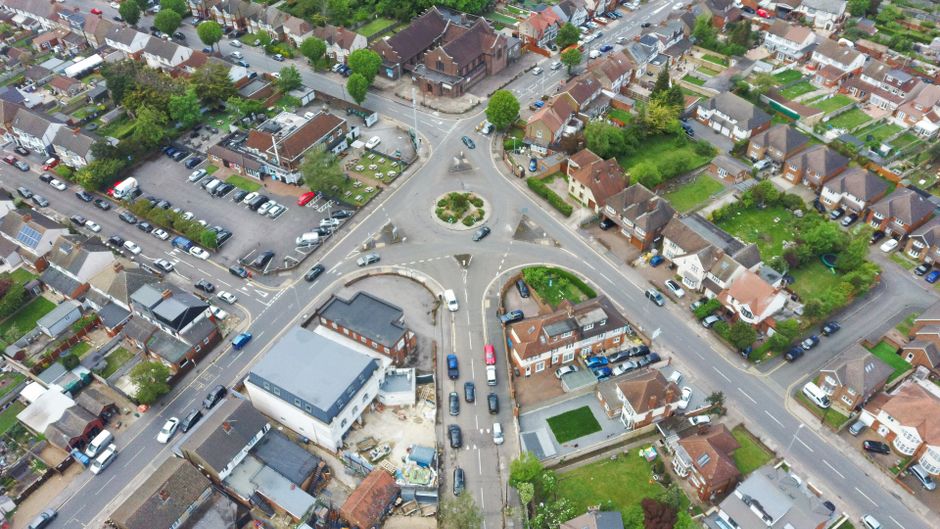
De Beauvoir Town is a residential area in the London Borough of Hackney, set between the Regents Canal, Kingsland Road and the wider Dalston and Hoxton edges of inner London. It was laid out in the early nineteenth century as a planned estate, and the streets still reflect that origin through a regular grid of terraces, squares and crescents. The area is named after the De Beauvoir family, whose ownership shaped much of the development in the 1820s and 1830s, though the local built environment has evolved through later rebuilding and everyday use. One of its most recognisable features is the blend of Georgian and Victorian housing, with many streets lined by brick terraces that give the neighbourhood a consistent architectural character. The Regents Canal forms a strong northern boundary and adds a quieter waterside element to the area, while nearby Haggerston Park and Shoreditch Park broaden the sense of open space within walking distance. De Beauvoir also has a reputation for independent cafés, small studios and local pubs, which contribute to a village-like feel despite its central London setting. The streets around the central square and the canalside routes are often appreciated for their orderly layout and residential calm, and the area’s conservation status has helped preserve much of its historic appearance. As part of Hackney, De Beauvoir Town sits within a borough known for dense urban neighbourhoods, canal corridors and a long pattern of adaptation from industrial and residential uses to a mixed contemporary environment. Its history, canalside position and consistent streetscape make it a distinctive part of east London rather than just a generic patch of inner-city housing.
Why customers choose a van-and-labour service
Many people do not need a large lorry or a complex removals package. They need practical transport, careful lifting and enough help to make the job manageable. That is where this kind of service is at its best. It can be suitable for a student move, a small flat transfer, a furniture collection from a supplier or a job where several heavy items need to be moved together rather than individually. The combination of van space and manual help keeps the process efficient.
Another advantage is adaptability. A smaller, more focused service can be easier to shape around access issues, short distances and mixed loads. It may also be the better choice when the job includes just enough work to make self-transport awkward but not enough to justify a full house removal. If you need something that sits neatly in the middle, man with van is a useful general page to compare with this service, while removal company gives a broader view of move planning.
When deciding how to proceed, think about the balance of loading effort, distance and item size. A careful choice at this stage often avoids over-ordering transport or underestimating the handling required. The right service is usually the one that matches the actual job, not the one with the biggest description. If you are unsure, a short enquiry with the essentials is the easiest place to start.
Commercial and office transport support

Although this service is commonly used for domestic work, it can also support small commercial moves where items need to be moved without disruption or unnecessary delay. Office chairs, desks, files, archive boxes and compact equipment often need a vehicle with enough space, along with careful loading so that items remain organised. A practical moving setup is especially useful when a business needs to clear a room, relocate a few workstations or shift stock between premises.
For larger workplace changes, it is worth looking at more specific pages before deciding. office removals is the clearest place to start if desks, IT equipment and office contents need to be relocated as part of a bigger plan. For wider business moves, office relocation services can help frame the scale of the job. The aim is always the same: move what is required, protect it properly and keep the process as orderly as possible.
Short commercial runs can also benefit from a van-based arrangement when timing matters or when a business does not want to wait for a full removals crew. A smaller transport job may still need wrapping, stacking and sensible route planning, but it can often be completed with less complexity than a larger relocation. That flexibility is often the deciding factor for customers comparing local move options.
Pricing factors and what affects a quotation
A quotation usually depends on a small number of practical factors: the volume of items, the level of lifting involved, distance between collection and delivery, access at both ends and whether any extra handling is required. Stairs, parking restrictions, disassembly and waiting time can all affect the shape of the job. The more accurately these details are described, the easier it is to prepare a realistic quotation that reflects the actual work rather than a vague estimate.
It also helps to say whether items are ready to go or still need packing, wrapping or sorting. A job involving a single couch is very different from one that includes a roomful of mixed belongings, multiple stops or fragile goods. Clear details let the transport plan match the task. If the move is part of a wider search for pricing information, pricing and quotes gives a useful starting point for understanding how the service is approached.
To keep the enquiry process simple, list the main items, note any access constraints and mention if there are awkward pieces that need extra care. A short description is enough to begin. For the final step, use the contact page and provide the basic moving details so a suitable arrangement can be discussed.
Where this service fits alongside wider removal help
Not every job needs the same scale of support, and that is why the service pages work best when they are matched to the task. A man with van arrangement is a strong fit for smaller moves, collections and flexible transport needs. A full removal service makes more sense when there is a larger household or a more structured move from one property to another. The distinction is practical rather than decorative: it helps customers choose what they actually need.
Related pages can also clarify the type of vehicle or support required. removal van and moving truck are useful if you want to compare transport options, while house movers may be relevant for a more traditional domestic move. The broader service family includes several pages, but the best choice depends on whether the task is compact, mixed or fully household-based.
For items that are being taken away rather than moved into a new home, removals van and man with van removal may both be worth a look. If you are sorting through the options now, keep the decision focused on scale, access and item type. That will usually narrow things down far more effectively than comparing labels alone.
Requesting a quotation and arranging the job

A good quotation request does not need to be long. The most helpful details are the collection point, delivery point, list of items, and any features of the property that could affect moving time. If there are stairs, limited parking, narrow access or items that need disassembly, it is worth mentioning those straight away. That gives the transport plan a realistic shape and helps avoid assumptions. If your move is very small, one clear paragraph is usually enough.
For customers who need to compare a few service types before deciding, house removalists offers another route into the wider moving range, and movers is a general page that may help if the task is still being defined. The most important point is to choose the service that fits the load and the access conditions, then describe the job clearly. A direct enquiry keeps the process straightforward.
If you are ready to move ahead, ask for a quotation, share the details that matter and let us know the preferred timing. The aim is to make the transport side of the day easy to understand and easy to organise. Request your quotation today and provide the key information in one message.
Household items, special care and sensible transport choices
Some items call for more care than others, and it is worth thinking about the load before the day arrives. Mirrors, glass-fronted cabinets, framed artwork, monitors and other breakables may need wrapping or separating from heavier pieces. Likewise, anything with removable parts should be secured so that it does not shift in transit. These small steps can make a major difference to how smoothly the load is handled once it is on the vehicle.
If the move involves mixed household goods, it can help to group items by room or by priority. That makes unloading easier and reduces the chance of boxes ending up in the wrong place. The same logic applies to jobs with multiple stops, where one address may need only a few pieces while another receives the bulk of the load. A sensible loading order protects the items and keeps the move flowing. If needed, house removals is still available as the fuller domestic option.
There are also situations where customers want a lightweight transport choice because the job is mostly already packed or because the items are simple to handle. In those cases, this service provides a practical middle ground. It is not overbuilt for the work, and that can make it a sound choice for straightforward local transport. Simple does not mean careless; it means the service is matched to the task.