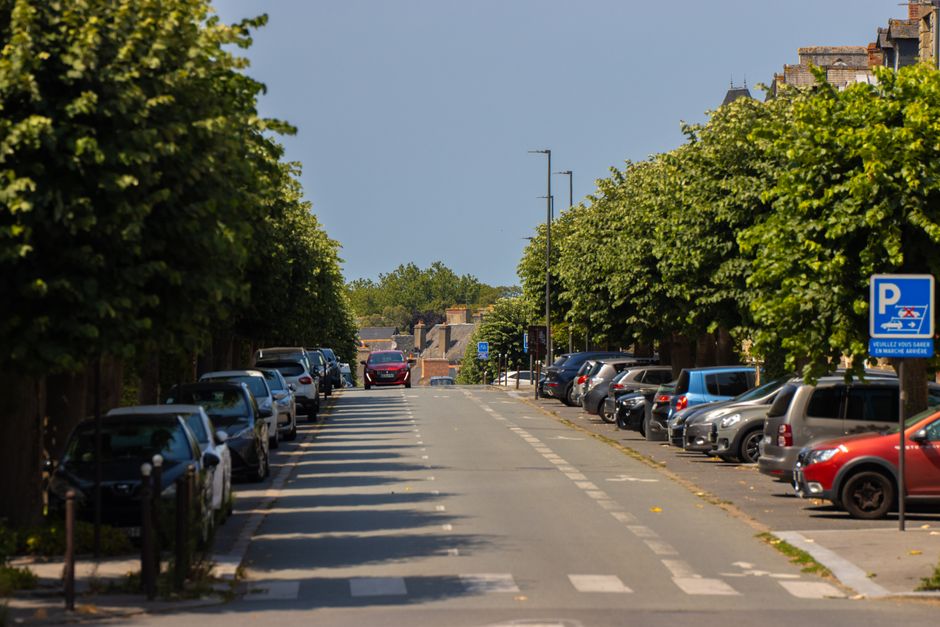
Parking and loading bay permits for De Beauvoir Town moves
If you are moving in De Beauvoir Town, parking can make the whole day feel either calm and organised or, frankly, a bit of a scramble. Parking and loading bay permits for De Beauvoir Town moves matter because the van still has to stop somewhere, boxes still need to be carried, and neighbours still need access. On a narrow London street, that is rarely as simple as it sounds. The good news? With a bit of planning, the process is manageable, and it can save time, money, and a lot of stress.
In this guide, we will break down what permits and loading bay arrangements usually involve, how to think about them in practice, and where the common snags appear. We will also cover timing, compliance, and a few local realities that people tend to miss until moving morning. And yes, the difference between a smooth move and a frustrating one is often just one small parking decision made early.
Why Parking and loading bay permits for De Beauvoir Town moves Matters
De Beauvoir Town has all the usual London moving headaches in a fairly compact area: busy roads, limited curb space, residents' parking restrictions, and the kind of streets where one badly placed van can affect everyone else. That is why parking arrangements are not a minor detail. They are part of the move itself.
When people underestimate this, the problems stack up quickly. The van arrives, but there is nowhere safe or legal to stop. The team starts circling the block. Time gets eaten up. The elevator booking slips. Suddenly the move feels rushed, and rushed moves are where furniture gets bumped, tempers rise, and small mistakes happen. To be fair, nobody enjoys carrying a wardrobe two streets because the vehicle could not get close enough.
For home moves, loading access is often the difference between a two-hour unload and a day that drags on. For office removals, it can affect building access, delivery windows, and staff coordination. Even a simple man and van job can become awkward if parking is not thought through in advance. The same is true for larger jobs involving a moving van or a full removal company.
Expert summary: if your vehicle cannot legally stop close to the property, your move becomes slower, more expensive, and more physically demanding. Parking and loading permissions are not admin for admin's sake; they are what lets the rest of the plan work.
How Parking and loading bay permits for De Beauvoir Town moves Works
In practical terms, parking for a move usually comes down to three things: where the vehicle can stop, how long it can stay there, and whether any special permission is needed. In London, those answers depend on the street, the time of day, and the type of vehicle involved. Sometimes a permit is needed for a bay. Sometimes a loading area is available for short use. Sometimes there is no formal permit route, but you still need to work within local restrictions and signage.
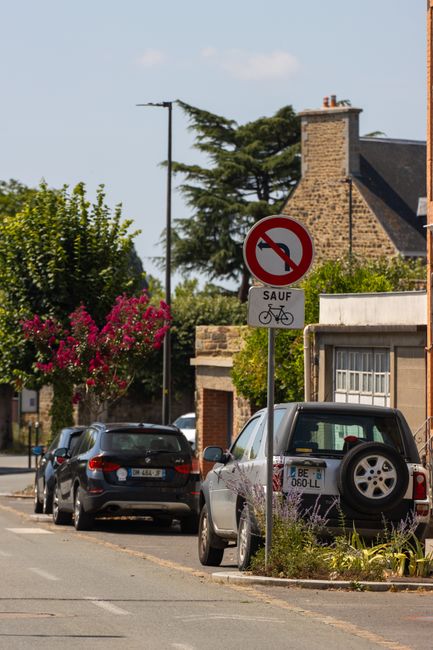
That is the part people often miss: the sign on the street is the rule of the road. Not assumptions, not "it'll probably be fine", and not the fact that the van only needs a few minutes. If it is a controlled parking zone, a permit may be required. If it is a loading bay, there may be a time limit or loading-only condition. If the street is suspended or temporarily restricted, then your plans need to change, sometimes at the last minute.
For many moves, the simplest approach is to map out the parking plan before moving day. This often means checking the property entrance, the width of the street, whether the van can safely pull up, and whether there is a sensible point for heavy items. If you are coordinating a bigger house move, the logistics matter even more, which is one reason people often speak to house movers or book house removals support instead of trying to improvise on the day.
There is also a difference between parking for unloading and parking for waiting. A vehicle can be actively loading or unloading, but that does not automatically mean it can sit indefinitely. Keep that distinction in mind. It sounds small, but councils and enforcement officers do not generally shrug it off.
What loading bay access usually means in practice
A loading bay is usually a designated space for goods vehicles or for active loading and unloading. It is not a free parking spot. Depending on the location, it may be time-restricted, vehicle-restricted, or only usable at certain times. A lot of the stress disappears once you treat it as a brief operational stop rather than a place to park the van and disappear for tea.
If you are using a smaller vehicle, such as a removal van or a man with van service, the space may be easier to manage. Larger vehicles may need more room to manoeuvre and more clearance for safe loading. That is where advance planning pays off.
Key Benefits and Practical Advantages
Getting the parking side right gives you more than legal peace of mind. It makes the whole move more efficient. You are not wasting time searching for a space, and you are not building extra carrying distance into every box, sofa, or flat-pack item. That can have a bigger effect than many people expect, especially in wet weather or on stairs.
- Less wasted time: the van can park close to the entrance, so loading and unloading are quicker.
- Lower physical strain: shorter carrying distances mean less fatigue and fewer awkward lifts.
- Reduced risk of penalties: careful planning helps you avoid parking tickets or enforcement issues.
- Better coordination: everyone knows where to go, where to stand, and what to move first.
- Smoother neighbour relations: less blocking, less noise, and fewer apologies on the pavement.
The other advantage is psychological. A move already has enough moving parts, excuse the pun. Once parking is sorted, a lot of the uncertainty disappears. The crew can focus on the actual job. You can focus on the property handover, the meter readings, the keys, and all the little things people forget when they are distracted by a van wedged at an awkward angle.
This is especially useful for office relocations, where timing tends to be tighter. If your business is moving files, furniture, or equipment, it can help to coordinate parking alongside office relocation services or office removals so the building team and the removal team are not stepping on each other's toes.
Who This Is For and When It Makes Sense
This topic matters to pretty much anyone moving into, out of, or within De Beauvoir Town. But the level of planning you need varies. A small flat move on a quiet weekday morning is not the same as a three-bedroom family move on a Saturday or an office relocation with a tight access window.
It usually makes sense to sort permits or loading arrangements if:
- the street has limited or controlled parking;
- the van cannot stay directly outside without restrictions;
- you are moving larger items like wardrobes, sofas, or appliances;
- the move involves multiple trips;
- you need a specific loading bay rather than general parking;
- the building has time-limited access or a shared entrance;
- you are moving at a busy time of day or on a busy road.
For renters, this is often overlooked until the last minute. For homeowners, the issue may be assuming a driveway or front space will be available when the truck turns up. For businesses, it is often about building management and access paperwork. Different problem, same outcome if ignored.
If your move is a smaller one, you may only need a flexible vehicle and a clear loading plan. In that case, a man with a van or movers service may be a good fit. If the job is larger or more complex, a removal van or even a moving truck might be the better fit, provided access is sorted.
Step-by-Step Guidance
Here is the practical route that usually works best. Keep it simple. No heroics.
- Assess the property access. Check the street width, turning room, pavement width, and how far the van would need to carry items. Stand outside if you can. Things always look different at street level.
- Identify restrictions early. Look for resident permit zones, time-limited bays, loading only signs, or suspended parking areas. If anything is unclear, assume it is restricted until confirmed otherwise.
- Estimate the vehicle size. A small van, medium van, or larger removal vehicle will affect whether you can stop close enough to load safely.
- Book the right support. If you are using a professional team, tell them about access conditions in advance. Good crews can plan around awkward kerbs, stairs, and tight bays, but only if they know beforehand.
- Build in a time buffer. Parking permissions, traffic, and stair carrying take time. Add more buffer than you think you need. Seriously. It disappears fast.
- Prepare loading items in the right order. Put larger or heavier items nearest the exit and keep essentials separate so you are not rummaging around when the vehicle is already on the clock.
- Keep documents handy. If a permit confirmation, booking note, or access instruction exists, keep it accessible on the day.
- Re-check the situation on the morning. Temporary suspensions, street works, or neighbour activity can change the picture overnight.
One small but valuable habit: take a photo of the parking sign and the spot you plan to use. That way, if anything changes or needs checking, you are not relying on memory from six days ago when you were packing cutlery into a cereal box.
For people who want an easier all-round move, combining parking planning with packing and unpacking services can reduce the chaos quite a bit. Fewer loose ends. Fewer trips. Less fuss.
Expert Tips for Better Results
Here are the details that usually make the biggest difference in real life.
- Plan the loading order before the van arrives. Heavy items first, fragile items last, essentials clearly separated. A vague plan turns into a slow plan very quickly.
- Use the closest legal space, not just the closest space. That sounds obvious, but it is exactly where people slip up.
- Keep one person watching the van. If you are using a loading bay or short-stay space, someone needs to be responsible for timing and movement.
- Check if a second vehicle is needed. Sometimes a single large van is less practical than two smaller loads, especially on tighter streets.
- Talk to neighbours or building management in advance. A short heads-up can prevent complaints, blocked access, and tension in the lobby.
- Be realistic about peak times. Early morning can be quieter. Midday often is not. Friday afternoon? Let's just say it has opinions.
Another useful tip: make your mover aware of awkward items early, such as pianos, oversized wardrobes, or awkward office furniture. If the team knows they may need extra space or extra hands, they can bring the right equipment and adjust the parking strategy accordingly.
If you are comparing providers, it can also help to look at removal services more broadly, not just the vehicle itself. Good service is not only about transport. It is about planning, timing, and avoiding stupid little problems that eat up the day.
Common Mistakes to Avoid
Most moving-day parking issues come from a handful of very normal mistakes. Nothing exotic. Just easy things to miss when your head is full of boxes and key handovers.
- Leaving parking arrangements until the day before. By then, the best option may already be gone.
- Assuming loading is allowed just because the van is temporary. Temporary use still needs to follow the rules.
- Underestimating the walk from the van to the property. Ten extra metres sounds small until you are carrying ten boxes.
- Forgetting about corners and turning space. A parking bay might exist, but if the van cannot safely get in and out, it is no help.
- Not accounting for lift or stair delays. If the building has shared access, the timing stretches.
- Using vague instructions. "Park near the front" is not enough in a busy London street.
A subtle but important mistake is failing to match the vehicle size to the street. It is one thing to hire a van because it seems cheaper. It is another to discover it cannot actually manoeuvre near the property without half the street being blocked. In those cases, smaller vehicles or split loads can be more efficient, even if that feels less dramatic.
If your move involves bulky items that do not justify a full removal job, you might also look at furniture pick up support. That can be a very practical option for single-item or partial-load jobs where parking still matters but the overall scale is smaller.
Tools, Resources and Recommendations
You do not need a stack of complicated tools to get this right. A few simple things are enough:
- a street view or on-site check of the property frontage;
- notes on parking signs and time restrictions;
- a simple checklist for what goes into the van first;
- access notes for your building, lift, or loading point;
- a contact number for the person managing the move;
- a copy of any booking confirmations or permit notes.
From a service point of view, it helps to choose a provider that is used to urban access issues and can explain options clearly. That is especially useful if you are comparing removals, removals near me, or a smaller removals van arrangement.
For people who want more transparency before booking, it is sensible to review pricing and quotes alongside the access details. A quote is much more useful when the provider knows there is restricted parking or a loading constraint. Otherwise, the estimate may be a bit too optimistic. And nobody needs that surprise.
It can also help to check the company's health and safety policy and insurance and safety information before moving day. That does not solve parking, of course, but it does show how the team handles risk, equipment, and responsibility.
Law, Compliance, Standards, or Best Practice
Parking and loading bay arrangements sit within local traffic and parking controls, so the safest approach is to follow the posted restrictions exactly and plan from the signage on the street, not from assumptions. In the UK, moving vehicles are still subject to normal parking rules, any permit requirements, and any loading-only limits that apply to the location.
Best practice is straightforward:
- check the street signs and controlled parking restrictions before the move;
- avoid blocking dropped kerbs, junctions, or access points;
- keep loading activity genuine and continuous where a loading exemption is relied upon;
- do not overstay a loading bay or stop in a restricted area without proper permission;
- make sure the vehicle and loading method are safe for staff, residents, and pedestrians.
If you are organising a commercial move, the compliance picture can become more involved because building access, permits, health and safety responsibilities, and timing windows all overlap. That is one reason businesses often prefer a structured commercial moves approach rather than improvising on the day.
Practical rule of thumb: if the street or bay looks ambiguous, treat it as restricted until you have confirmed otherwise. It is a lot easier to plan for caution than to deal with an avoidable ticket or a delayed collection.
Options, Methods, or Comparison Table
There is no single "right" setup for every move. The best option depends on property access, vehicle size, and how much needs moving. Here is a simple comparison that can help.
| Option | Best for | Pros | Trade-offs |
|---|---|---|---|
| Informal kerbside loading | Very short, low-traffic stops where stopping is allowed | Fast if access is easy | Not suitable where restrictions apply; can be risky if assumed incorrectly |
| Loading bay use | Moves that need close access with a defined loading area | Efficient, structured, usually better for busy streets | Often time-limited; may need prior planning |
| Parking permit arrangement | Residential streets with controlled parking | More predictable and legally safer | Requires checking eligibility and timing |
| Smaller vehicle approach | Tighter streets or limited stopping space | Easier manoeuvring, often less disruptive | May need more trips or more careful load planning |
| Larger removal vehicle | Bulkier moves with enough access room | Can reduce total trips and overall handling | Needs more space and better parking logistics |
For some households, a smaller vehicle and a well-timed loading bay are the best mix. For others, especially if there are lots of items, a bigger vehicle is simpler, as long as the street can handle it. The trick is matching the method to the location rather than the other way around.
Case Study or Real-World Example
Picture a typical move from a first-floor flat in De Beauvoir Town on a weekday morning. The street is narrow, parking is tight, and the building has one shared entrance. The resident originally assumes the van can pull up outside for an hour. On inspection, the space is actually limited by permit restrictions and a short loading window.
Instead of leaving it to chance, the move is adjusted. The team confirms the best legal stopping point, the boxes are packed by room, and the heavier items are loaded first. A smaller van is used rather than a larger truck, because the road layout is more forgiving. The unload is quicker, the stairs are manageable, and there is no last-minute search for parking while carrying a washing machine. Which, let's be honest, is exactly the kind of thing nobody wants on moving day.
The result is not dramatic. That is the point. The move works because the parking plan works. No fanfare, no heroic lifting through traffic, just a cleaner process from start to finish.
Practical Checklist
Use this before moving day. A quick checklist can save a lot of unnecessary stress.
- Confirm the property address and entrance point.
- Check parking signs and loading restrictions on the street.
- Decide whether a permit, loading bay, or smaller vehicle is needed.
- Tell the removal team about access limits, stairs, lifts, and narrow entrances.
- Prepare any confirmations, booking details, or access notes.
- Pack essential items separately for easy access.
- Keep the route from van to front door as clear as possible.
- Allow extra time for parking, manoeuvring, and loading.
- Have one person responsible for on-the-day coordination.
- Recheck the street before the vehicle arrives in case anything has changed.
If you are still comparing providers, you may also want to review about us information to understand how the team works, and terms and conditions so you know what to expect around service scope and responsibilities. Small details, but they matter.
Conclusion
Parking and loading bay permits for De Beauvoir Town moves are one of those planning tasks that can look minor on paper and feel huge on the day. Once you get the access piece right, everything else becomes easier: the van gets closer, the carrying distance drops, the timetable tightens up, and everyone has a better rhythm to work with.
The real win is not just avoiding penalties or awkward parking. It is the sense that the move is under control. And that matters a lot when you are juggling keys, stairs, packing tape, neighbours, and a kettle you forgot to unpack. A little forethought here really does pay off.
If you are preparing a move and want a smoother, more organised experience, use this guide to plan early, ask the right questions, and match the vehicle and access plan to the street. Calm moves are not luck. They are usually the result of a few sensible decisions made in the right order.
Get a free quote today and see how much you can save.
Frequently Asked Questions
Do I need a parking permit for a move in De Beauvoir Town?
Sometimes, yes, depending on the street, the restrictions in place, and whether the van can stop legally to load or unload. The safest approach is to check the parking signs for the exact location rather than assuming a permit is unnecessary.
What is the difference between a parking permit and a loading bay?
A parking permit usually allows a vehicle to park in a controlled area under certain conditions. A loading bay is typically for active loading or unloading, often with a time limit. They are not the same thing, and each has its own rules.
How far in advance should I plan parking for my move?
As early as possible. For a simple flat move, a few days of planning may be enough. For a larger house or office move, it is better to sort access and parking earlier so you can adjust the vehicle or schedule if needed.
Can a removal van stop outside my property if I am loading quickly?
Not always. Even short stops must follow the street restrictions in place. If the area is controlled or there is no loading permission, stopping there can still cause problems, even if the van is only there briefly.
What happens if there is no space outside the building?
You may need to use a legal loading bay, a nearby permitted space, a smaller vehicle, or a different time slot. In some cases, a longer carry is unavoidable, but that should be planned rather than discovered on the morning.
Are loading bay permits always available?
No. Availability depends on the local street layout, restrictions, and the type of move. Some locations simply have no suitable loading bay, which is why checking the frontage and street signs early is so important.
What if my move is on a busy London street?
Then you should plan for extra time and, if possible, choose a quieter access window. Busy streets are more sensitive to delay, so a clearer parking plan becomes even more valuable.
Should I choose a smaller van for better parking access?
Often that helps, yes. A smaller van can be much easier to position on tighter streets. The trade-off is that you may need more trips or tighter loading, so it depends on the volume of items.
Does parking planning matter for office removals too?
Definitely. Office moves often involve tighter timings, building rules, and more people moving at once. Good parking and loading access can save a surprising amount of disruption, especially when staff and building management are involved.
What should I tell my removal team before moving day?
Tell them about parking restrictions, loading bays, gate codes, lift access, narrow entrances, stairs, and anything else that could slow the move. The more accurate the access information, the easier it is to plan properly.
Can bad parking access make my move more expensive?
Yes, it can. If the team has to spend more time searching for a space, carrying items further, or adjusting the vehicle plan, the job may take longer. That is why the parking side is worth sorting out early.
Is it worth using a professional moving service for a small move?
It can be, especially if the parking is awkward or the items are bulky. A small move with difficult access can sometimes be more frustrating than a larger move with simple access. The right service often depends on the street, not just the load size.