Delivery issues by Regents Canal: towpath & loading advice
Posted on 18/06/2026
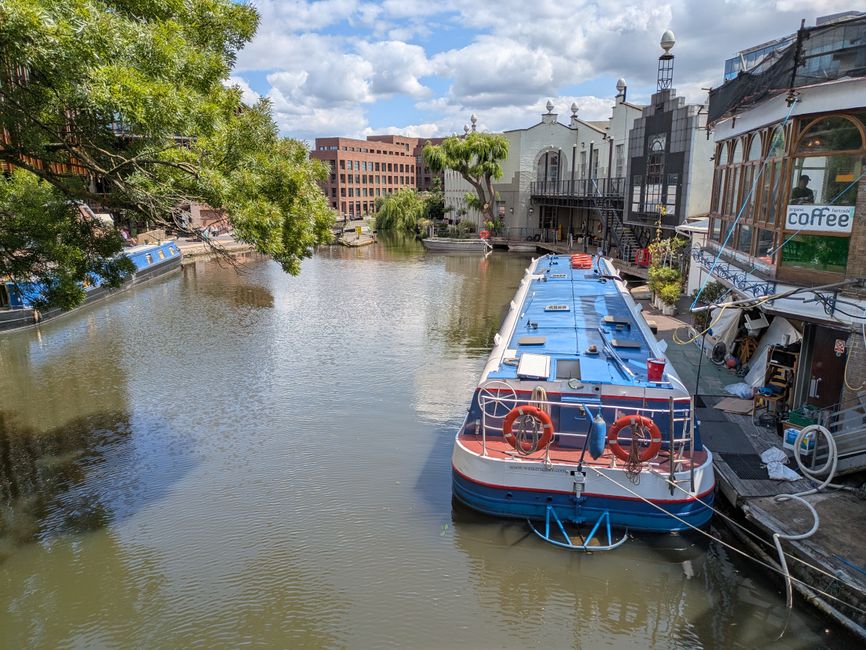
If you have ever tried to get a van, a sofa, or even a stack of boxes close to Regents Canal, you will already know the pattern: the last 50 metres matter more than the first five miles. Narrow towpaths, low bridges, pedestrians, cyclists, awkward loading bays, and the occasional "where on earth do we stop?" moment can turn a straightforward drop-off into a small logistical puzzle. This guide on Delivery issues by Regents Canal: towpath & loading advice explains what tends to go wrong, why it happens, and how to plan a calmer, safer delivery or removals job without the drama.
We will look at access planning, towpath behaviour, parking and loading strategy, timing, heavy-item handling, and the practical decisions that make the difference between a smooth handover and a frustrating delay. Truth be told, around canal-side locations, good planning is not a nice extra. It is the whole game.
Why Delivery issues by Regents Canal: towpath & loading advice Matters
Canal-side delivery work is different because the route that looks shortest on a map is often the least practical on the ground. Regents Canal towpaths are shared spaces, and that changes everything. You are not just moving goods from A to B; you are planning around people walking dogs, commuters on bikes, joggers, prams, utility workers, and the occasional bridge or railing that blocks the cleanest path.
For removals, retail deliveries, trades, and bulky-item drop-offs, the main risk is usually not the item itself. It is the access. Can the vehicle legally and safely get near the building? Can you unload without blocking the towpath? Is there enough room to turn, lift, and carry without putting anyone at risk? If the answer to any of those is "maybe", then you need a better plan.
This matters even more for time-sensitive jobs. A missed slot can mean a delayed handover, extra labour time, or a stressed customer standing on the pavement while a driver circles the block. Not fun. And expensive, too.
For local moves, canal-side streets often combine several headaches at once: restricted stopping, tight corners, one-way systems, and older buildings with shared entrances. That is why practical towpath and loading advice is not just a nice-to-have. It helps protect the item, the crew, the public, and the schedule.
How Delivery issues by Regents Canal: towpath & loading advice Works
At a simple level, the process is about choosing the safest access route, placing the vehicle as close as possible to the destination, and reducing the number of carrying points between van and doorway. The more steps you remove, the fewer things can go sideways.
In canal areas, the loading plan usually starts before the van arrives. You check the exact entrance, the nearest legal stopping point, the width of the towpath, the presence of steps or bollards, and whether the delivery has to be done by trolley, shoulder carry, or hand carry. You also think about timing. Mid-morning around a busy towpath can be very different from an early weekday slot when the canal is quieter and the light is better.
Good delivery planning also means separating the vehicle problem from the final approach problem. The vehicle may be fine on the main road, but the final 20 metres may require a different method. For example, a wardrobe may travel safely in a van, then need a short, controlled carry through a shared path with one person guiding at the front and another stabilising the rear. A piano is a different story altogether, and should be treated as such. For that kind of item, specialist handling matters; it is one reason many people refer to piano moving support rather than trying to improvise.
If you are planning a broader household move, the same logic applies. Declutter first, pack properly, then map the route. A little prep can save a lot of muttering on the pavement later. If you want a useful starting point, the advice in pre-move decluttering and packing tricks for a smoother move fits this kind of work very well.
Key Benefits and Practical Advantages
When canal-side access is handled well, the whole job feels easier. Not glamorous, perhaps, but easier. And that counts.
- Fewer delays: A proper loading plan reduces circling, waiting, and last-minute vehicle shuffling.
- Lower handling risk: Fewer unnecessary lifts and turns means less chance of damage to furniture, walls, or the item itself.
- Better public safety: Keeping the towpath clear helps pedestrians, cyclists, and your crew move safely.
- Cleaner communication: Everyone knows where to stop, where to carry from, and which entrance is being used.
- More accurate pricing: If access is clear upfront, quotes are usually more realistic and there are fewer surprises.
There is also a hidden benefit that people overlook: morale. A delivery team working from a clear, realistic plan is calmer and more efficient. You can hear it in the way they talk. Less "we'll see", more "right, this is the point we start from". That difference shows up in the final result.
For bulky household items, the same approach pairs well with specialist handling and storage choices. If you need to bridge a gap between delivery and move-in, options like storage in De Beauvoir Town or careful furniture handling through furniture removals support can make the logistics a great deal less awkward.
Who This Is For and When It Makes Sense
This advice is useful for a lot of people, not just removal companies. If your address, pickup point, or destination sits near Regents Canal, chances are some version of this applies to you.
- House movers working from canal-side flats or terraces
- Furniture deliveries for homes, studios, and small offices
- Students moving into or out of tight-access properties
- Shops and studios receiving stock through limited roadside access
- Anyone handling bulky or awkward items near a towpath
It makes sense whenever the site has restricted stopping, a shared pedestrian route, or limited vehicle access. It also makes sense if the delivery window is tight. In those cases, the wrong route or the wrong van size can be enough to throw the whole day off.
Sometimes the need is obvious. A sofa simply will not fit cleanly through the nearest entrance, or a bed frame has to be dismantled in advance. Other times the issue is more subtle, like a narrow corner near the water where the trolley wheels catch on uneven paving. Small detail, big headache.
Step-by-Step Guidance
Here is a practical way to approach canal-side delivery work without overcomplicating it.
- Check the exact destination access. Identify the front door, side entrance, loading point, or rear access. Do not assume the nearest path is usable.
- Map the vehicle stop point. Decide where the van can legally and safely stop. If the stop is farther away than expected, factor that in early.
- Walk the final route. Look for steps, bollards, low railings, narrow gate openings, tight turns, and muddy or uneven patches.
- Match the item to the route. Large wardrobes, mattresses, and sofas may need protection, straps, blankets, or partial dismantling.
- Choose the right loading method. Hand carry, sack truck, furniture dolly, shoulder carry, or team lift each has a place. Pick one that suits the item and the ground.
- Protect the towpath and the public. Keep the route clear. Do not leave items staged in a way that blocks people or creates trip hazards.
- Load in the correct order. Put the heaviest and least fragile items where they are secure, then fill gaps with lighter goods.
- Confirm the handover. Check that the item has arrived in good condition, the entrance is clear, and any packaging waste is collected or managed properly.
If you are moving a full household, it can help to think in phases: route, item, protection, carry, and unload. Simple, really. But simple is not the same as easy.
A useful extra step is to prepare the property itself. A clean, uncluttered route inside the home can save time outside it. The guide to getting a property ready before moving day is worth a look if you want the indoor part of the job to support the outdoor access plan.
Expert Tips for Better Results
Canal-side deliveries reward people who think one step ahead. Here are the habits that tend to make the biggest difference.
- Arrive with the van prepared for the handover: blankets, straps, gloves, trolleys, and wrap should be easy to reach, not buried under other goods.
- Use a short load plan: know which item comes out first and which item waits. Random unloading is how awkward jams happen.
- Keep communication direct: one person should call the route, another should manage the item, and someone else should watch for pedestrians or cyclists.
- Protect corners and edges: older canal-side buildings can have tight door frames, painted walls, and worn steps that mark easily.
- Time the job with the area: quieter periods are often better than busy lunch or commuting windows, especially where the towpath is active.
And one small, honest tip: do not underestimate how much a lightweight trolley can help, or how much trouble a bad one can cause. Wheels that wobble on uneven paving can turn a tidy plan into a comedy sketch. Not the good kind.
For heavy or awkward objects, use proper lifting technique and a team approach. The advice in lifting heavy objects safely and kinetic lifting and safer movement is especially relevant when the final approach is short but cramped.

Common Mistakes to Avoid
Most problems around Regents Canal are not dramatic disasters. They are small planning errors that stack up.
- Assuming the towpath is a loading bay: It is usually not. Shared use matters, and blocking it creates friction quickly.
- Using the wrong van size: Too small means extra trips; too big means access stress and parking problems.
- Forgetting the final carry distance: A short road journey can still lead to a long, awkward walk with the item.
- Leaving packing until the last minute: Loose items slow everything down and make handling less safe.
- Ignoring building access rules: Flats, courtyards, and managed properties may have their own constraints.
- Skipping the bulky-item plan: If something must be dismantled, recycled, or stored, decide that early.
One of the more common errors is emotional, really. People think, "It's only a few boxes." Then the boxes become a sofa, the sofa becomes a mattress, and suddenly the towpath has become the whole afternoon. Happens all the time.
If you are trying to avoid cost creep, it is also worth reading about hidden moving costs before you commit to a delivery plan. Access issues often show up in time, labour, and extra handling rather than in the headline price.
Tools, Resources and Recommendations
You do not need a van full of specialist kit to manage canal-side deliveries, but a few sensible tools make life much easier.
- Furniture blankets and stretch wrap: Helps protect edges during tight manoeuvres.
- Straps and ratchets: Keep larger items stable inside the vehicle.
- Trolley or sack truck: Useful for boxes and some appliances, if the ground is smooth enough.
- Gloves with grip: Better handling, less chance of slips when lifting on a slightly damp morning.
- Door and wall protectors: Helpful in older buildings where narrow gaps are unforgiving.
- Simple route notes: A paper note or phone checklist can stop people guessing on site.
For broader move planning, practical services can also help. If the job is more than a single item and includes full house or flat contents, a structured removals plan is usually safer than ad hoc transport. Depending on the scale, that might involve full removals support, a more flexible man and van service, or a dedicated removal van for bigger loads.
If you are still comparing options, the broader services overview can help you judge which type of move fits your access conditions and timeframe.
Law, Compliance, Standards, or Best Practice
Canal-side deliveries should be handled with an eye on safety, access, and local rules. The exact restrictions can vary by location, property management, and local authority practice, so it is best not to assume. What matters most is the principle: do not block shared routes, do not create avoidable hazards, and do not make access decisions on guesswork.
In practical terms, that means checking whether stopping is allowed, making sure the vehicle is parked safely, and keeping the towpath open for others. If a job involves a public walkway, the standard expectation is that people can still pass safely. That is just common sense, though you sometimes need to remind yourself in the heat of the day.
For handling heavy goods, best practice is straightforward: use enough people, use the right equipment, and do not lift in a way that puts anyone off balance. If an item is too heavy, too long, or too awkward, treat it as a two-person or specialist job. The safer approach is usually the cheaper one in the long run, because fewer things break. Or backs. Both matter.
Insurance also matters. Before any move, it is worth checking what cover applies to goods in transit and to handling risks. If you need a plain-language overview of that side of the job, the page on insurance and safety is a sensible reference point.
Options, Methods, or Comparison Table
When access around Regents Canal is tight, you usually have three practical methods to choose from. Each works well in the right situation, and each has trade-offs.
| Method | Best for | Strengths | Limitations |
|---|---|---|---|
| Van-to-door hand carry | Short, clear access with manageable items | Fast, simple, low equipment needs | Can be tiring if the stop point is farther away than expected |
| Trolley or dolly transfer | Boxes, small furniture, appliances on smoother surfaces | Reduces lifting strain and speeds up repeated trips | Less effective on uneven paving, steps, or narrow turns |
| Team lift and controlled carry | Sofas, wardrobes, mattresses, heavy or awkward items | Better stability and safer around tight corners | Needs coordination and more time to execute well |
In practice, most canal-side moves use a mix. A trolley may take the easy boxes, while two people carry the awkward furniture. That mixed-method approach is often the most realistic one, especially where the towpath is busy or the entrance is a bit fiddly.
If the job is a student move or a smaller flat move, a lighter-touch approach may be enough. For those cases, the planning style is similar but the load profile changes. A more compact service such as student removals or flat removals can be more appropriate than a full household operation.
Case Study or Real-World Example
Picture a small two-bedroom flat near the canal. The customer needs a sofa, bed frame, dining table, and a dozen boxes moved out on a weekday morning. The nearest curbside space is limited, and the towpath is active by 8:30 a.m. In a job like this, the first instinct might be to park as close as possible and "just get on with it". That is usually where the problems begin.
A better plan would be to check the final stop point the day before, decide which entrance gives the cleanest carry, and split the load into two groups: bulky furniture and boxed items. The sofa and bed frame go first while the route is still quiet, and the boxes follow once the large items are clear. If the bed frame needs dismantling, that is done before the van arrives. No one wants to hear a screwdriver clattering around while people are trying to get past with a pushchair.
The actual move becomes calmer. Fewer back-and-forth trips. Less hesitation at the entrance. The crew knows where to stage each item, and the customer does not spend the whole morning asking whether the driver can squeeze the van in "just a bit more". Small win, but a real one.
That same logic works for awkward items like mattresses, sofas, and freezers. If you need item-specific planning, the guides on moving a bed and mattress, sofa storage techniques, and preparing a freezer for temporary storage are genuinely useful companions to this kind of delivery work.
Practical Checklist
Use this before any Regents Canal delivery or removals job. It is simple, but it catches a lot.
- Confirm the exact entrance and final drop-off point
- Check where the van can legally and safely stop
- Measure or visually assess the towpath width and obstacles
- Identify steps, gates, bollards, railings, or tight corners
- Decide whether a trolley, team lift, or dismantling is needed
- Prepare blankets, wrap, straps, and gloves
- Clear the inside route at the pickup and drop-off points
- Assign one person to watch pedestrians and cyclists if needed
- Plan the loading order before the vehicle doors open
- Set aside waste, packaging, and any items for storage or recycling
- Allow extra time for access, not just travel
- Keep the towpath clear and leave it tidy afterwards
If you are dealing with extras you no longer need, it can help to think about disposal early rather than at the end of the day. The advice on bulky waste during a move and recycling and sustainability can save a messy last-minute decision.
Conclusion
Delivery issues by Regents Canal usually come down to access, timing, and respect for the shared space around the towpath. Get those three things right, and even a tricky move starts to feel manageable. Ignore them, and the simplest job can become a slow, frustrating crawl.
The good news? Most problems are preventable. A careful stop point, the right equipment, a sensible loading order, and a realistic understanding of the final carry distance will solve a surprising amount. You do not need perfection. You just need a plan that matches the canal-side environment instead of fighting it.
And if you are still weighing up how to handle a move, delivery, or bulky item job near Regents Canal, take your time, ask the awkward questions early, and choose the method that keeps everyone safe. That is usually the best move, even when it takes a little more thought up front.
Get a free quote today and see how much you can save.