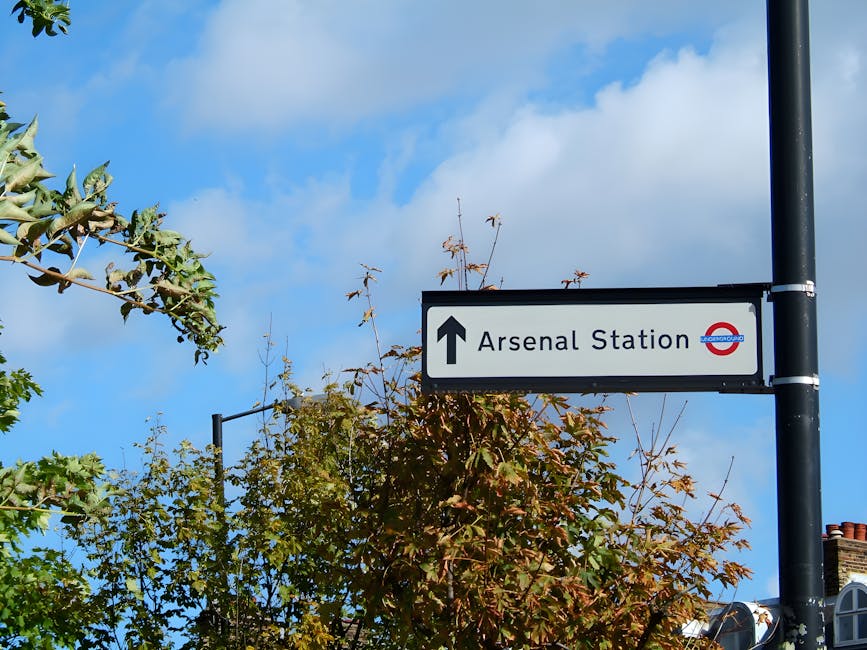
Islington vs Hackney council rules that affect your move
Posted on 07/07/2026
Islington vs Hackney council rules that affect your move: what to check before moving day
If you are moving between, into, or across North and East London, the small print matters more than people expect. Islington vs Hackney council rules that affect your move can shape where the van stops, whether a skip is allowed, how long loading takes, and whether your plans need a permit at short notice. That sounds tedious, I know. But one missed restriction can turn a fairly tidy move into a slow, stressful one by 8:30 on a wet weekday morning.
This guide breaks the issue down in plain English. We will look at why the two boroughs feel different in practice, how the rules usually affect loading, parking, waste, and access, and what to do so your move stays calm, legal, and on time. If you are already planning the packing side, it can help to read our decluttering guide before you relocate and these packing tricks for a smoother move alongside this article.
Why Islington vs Hackney council rules that affect your move Matters
The core issue is simple: a move is not just about boxes and a van. It is also about street use. In dense London boroughs, the street outside your home is often the hardest part of the move. Islington and Hackney both have busy residential roads, controlled parking, narrow side streets, loading pressure, and different local enforcement habits. The effect is that the same moving plan can feel easy in one borough and awkward in the other.
Let's say you are moving from a flat near a high-traffic road in Islington to a terrace in Hackney. On paper, it is just a short trip. In reality, you may be dealing with permit bays, red route-style restrictions nearby, resident-only parking, suspension needs, access windows, or a loading bay that is already full by the time your van arrives. That is the bit that catches people out.
Why does this matter so much? Because moving is time-sensitive. If your van has to circle, your building starts charging for extra lift time, or the crew is waiting on a parking decision, the whole day starts to drift. Not ideal. Understanding borough rules early helps you protect timing, reduce cost, and avoid the kind of chaotic little delays that make everyone grumpy.
There is also a trust point here. If you are booking help from a mover, you want to know they understand the local rules and are not just arriving with a hopeful shrug. In practice, the best plans account for access, loading, parking, waste removal, and whether anything bulky needs to be stored temporarily. If that sounds like your move, our guides on moving in a more organised way and avoiding hidden moving costs are worth a look too.
How Islington vs Hackney council rules that affect your move Works
In practical terms, council rules affect the parts of the move that happen outside your front door. That usually means parking, loading, unloading, skips, bulky waste, access protection, and occasionally road or pavement permissions. The exact requirements vary by street and by property type, so the first job is not memorising every borough rule. The first job is checking which street condition applies to your address.
Islington often comes across as especially tight on parking control because so many streets are heavily managed and space is scarce. Hackney can feel similar, but the layouts vary a lot more from one neighbourhood to the next. A move near a wide main road is a different beast from a move in a narrow side street near a school run, a market area, or a canal path. Truth be told, the borough name alone never tells the full story.
Think of it like this:
- Parking or loading restrictions decide where the van can stop, and for how long.
- Suspensions or permits may be needed if you want to reserve space or use a bay legally.
- Skip rules affect whether you can place a skip on the street, and under what conditions.
- Bulky waste arrangements affect how you get rid of sofas, beds, wardrobes, and other large items.
- Building access interacts with the street rules, which is why a flat move can be more complex than a house move.
The most important habit is to work backwards from moving day. First confirm how the street works. Then confirm how long loading will take. Then decide whether you need a van, a smaller removal vehicle, or a more flexible plan with staged loading. If you want a better sense of how that plays out in real life, the route-and-access articles on route planning for vans and loading near the canal and towpath show how access constraints shape moving logistics.
Key Benefits and Practical Advantages
Getting the council side right is not glamorous, but it pays off in a few very real ways. First, you waste less time. That alone is huge. A move that starts on time tends to stay on time. Second, you lower the risk of penalties, parking disputes, or awkward conversations with enforcement. Third, you make life easier for your removal team, which usually means the job is calmer and more efficient.
There is another advantage people overlook: less physical strain. When the van is parked well and close enough to the door, the crew is not carrying a wardrobe an extra 40 metres down the pavement. That kind of thing adds up fast. It is boring, but true. The street layout can make your move feel either nimble or oddly exhausting.
For families and flat movers, the benefit is even clearer. If you are juggling children, lifts, neighbours, and time windows, the move needs structure. Council-aware planning gives you that structure. It turns uncertainty into sequence: arrive, unload, clear, go. Nice and clean, in theory at least.
- Less chance of parking penalties or waiting time
- Better coordination with building access and lift bookings
- Fewer last-minute changes to vehicle size or arrival time
- Safer handling of bulky furniture and fragile items
- More realistic cost planning
And yes, it can also spare you the classic moving-day moment where someone says, "I thought the van could just stop there." Famous last words.
Who This Is For and When It Makes Sense
This matters for almost anyone moving in or between Islington and Hackney, but some people need it more than others. If your move involves a flat on a tight street, a shared driveway, a basement level, or a building with a narrow entrance, the council-side planning becomes especially important. So does it if you are using a skip, having bulky waste collected, or expecting a removal van to stay parked for a while.
It is also relevant for students, renters, landlords, office managers, and people moving at short notice. Short-notice moves are the tricky ones, because there is very little time to discover a restriction you missed. A same-day move can still work, but only if the access issue is already understood. If that is your situation, our same-day removals page and student moving support may be useful background reading.
It also makes sense if you are moving larger or awkward items. Sofas, beds, pianos, and office furniture can change the entire loading plan. For example, if a piano needs specialist handling, the loading point matters much more than people expect. That is why we explain specialist moves in articles like why piano moving should not be a solo job and how to relocate a bed and mattress efficiently.
Step-by-Step Guidance
Here is the simplest way to handle Islington vs Hackney council rules that affect your move without getting lost in the detail.
- Identify the exact moving address and street type. Do not stop at the borough. Check whether the road is controlled, shared, narrow, one-way, or subject to loading restrictions.
- Confirm what the van needs to do. Will it load from the curb, from a courtyard, from a basement, or from a gated block? This changes everything.
- Check parking and loading possibilities. If the van cannot legally wait close to the property, you may need a different time slot or a different vehicle plan.
- Review whether a skip or bulky waste solution is needed. If you are clearing the property too, think about disposal before moving day, not after.
- Speak to the building or landlord early. Lift bookings, access codes, concierge hours, and hall protection often matter more than people think.
- Decide on packing order. Load what is least likely to be needed first, and keep essentials separate.
- Build in time for the unexpected. A blocked bay, a delayed lift, or a neighbour's delivery can happen. It always seems to happen at the worst moment, doesn't it?
A good rule is to think in terms of bottlenecks. What is likely to slow the move down? Usually it is the van position, not the boxes. If you want practical help with those bottlenecks, read about narrow-street removal planning and access tips for tight residential roads. The lessons transfer neatly to Islington and Hackney.
Expert Tips for Better Results
In our experience, the moves that go best are rarely the ones with the fanciest packing tape. They are the ones with the best access plan. A few small choices make a disproportionate difference.
Tip 1: Treat the street like part of the property. If the van cannot use the street properly, the move is already harder. Think about bays, corners, footpath width, and whether the driver can safely open the tail lift or rear doors.
Tip 2: Prioritise bulky item handling. Big items should be mapped before the first box is lifted. If a sofa needs to go through a tight stairwell, the route matters more than brute strength. That is one reason we recommend reading sofa storage techniques and safe solo lifting advice if you are handling furniture yourself.
Tip 3: Keep essentials obvious. Water, documents, chargers, meds, keys, and a kettle if you are like most people. The kettle is not a joke. It genuinely improves morale at 4pm.
Tip 4: Use temporary storage wisely. If access is awkward or your completion timings shift, storage can prevent rushed decisions. That can be especially useful in borough moves where the loading window is tighter than expected. We cover that in storage options and temporary freezer storage prep.
Tip 5: Don't overpack the schedule. A move looks simple until you add parking uncertainty, lift sharing, and the neighbour who has parked in the only usable bay. Leave breathing room.
Common Mistakes to Avoid
People usually do not get caught out because they are careless. They get caught out because they assume the street will be the easy part. It rarely is.
- Assuming one borough works like the other. Islington and Hackney may both be London boroughs, but their streets, enforcement patterns, and housing stock can feel quite different.
- Leaving parking decisions until the morning. By then, the best spaces are gone and the pressure is on.
- Forgetting that loading takes time. A quick lift is only quick if access is clear and the van is close.
- Not checking skip or bulky waste requirements. Waste can become the hidden stress point of the whole move.
- Booking a van that is too large for the street. Bigger is not always better. Sometimes a smaller, smarter vehicle wins.
- Ignoring building rules. Shared hallways, lift bookings, and concierge hours can slow things down even when the street is fine.
A small but real mistake: people often pack their day assuming everything will happen in one smooth arc. In London, it often happens in fits and starts. That is normal. Plan for that, and you are already ahead.
Tools, Resources and Recommendations
You do not need a complicated toolkit to manage borough-specific moving issues, but a few practical things help a lot. A printed floor plan, a moving checklist, a notebook or phone note for access codes, and a clear list of bulky items will save time. Simple stuff. Effective stuff.
For packing and preparation, these internal guides are especially useful:
- packing tricks for a hassle-free move
- packing supplies and boxes
- getting the property clean before moving out
- recycling and sustainability guidance
If you are still deciding how much help you need, it can also be useful to compare broader moving support options, especially for flats, houses, or office moves. Our services overview and removals page are useful starting points.
One more recommendation: keep all final instructions in one place. Separate messages are where things get muddled. One note, one plan, one version. Less chaos, fewer texts, better morning.
Law, Compliance, Standards, or Best Practice
This is the part where caution matters. Council rules can change, and specific streets may have local restrictions that differ from the general borough pattern. So while it is reasonable to plan around common London practices, it is not wise to assume a rule without checking the exact address and moving date.
In practical compliance terms, the usual expectations include using parking and loading spaces lawfully, not blocking access, respecting time-limited bays, and arranging any skip or waste placement properly. If a building or road requires advance permission, you should treat that as part of the move, not as a side task. Same for lift protection, floor protection, and safe handling of bulky goods.
Best practice also means honest scheduling. If a van needs to wait longer than expected, or if the route is too tight for the first vehicle choice, say so early. That protects everyone. A good mover would rather adjust the plan on paper than improvise under pressure.
For physical safety, sensible handling matters too. Heavy lifting, awkward turning, and stair carries are all common in both boroughs, especially in older housing stock. If you want to understand the body mechanics side of that, our kinetic lifting article is a useful companion read. It is not about turning you into an athlete; it is about moving without doing your back in.
Options, Methods, or Comparison Table
If you are weighing up how to approach a move in Islington versus Hackney, it helps to compare the likely access patterns rather than treating both boroughs as the same.
| Factor | Islington | Hackney | What it means for your move |
|---|---|---|---|
| Street parking pressure | Often high, especially in dense residential areas | Also high, but more varied by neighbourhood | Plan parking early and do not assume a bay will be free |
| Road layout | Many narrow or heavily managed streets | Mix of narrow residential roads and busier corridors | Vehicle size and timing matter a lot |
| Loading convenience | Can be tight close to the property | Can vary widely block by block | Build a loading plan around the actual doorway, not the postcode |
| Waste/disposal planning | Needs careful coordination in many areas | Also needs coordination, especially for bulky items | Decide early whether you need collection, storage, or disposal |
| Best move style | Structured, timed, access-first | Flexible, location-specific, access-first | Use a plan that matches the street, not just the property type |
In short: neither borough is "easy" by default, but both are manageable when the access plan is realistic. The right method is usually a careful one, not a heroic one.
Case Study or Real-World Example
A useful example is a small flat move from a second-floor property in one borough to a ground-floor rental in the other. On paper, that sounds quick. In reality, the complications came from the street, not the flats. The outgoing road had limited stopping room, the lift had a booking slot, and the van could not sit directly outside for long. The team had to split the load into two stages and keep essentials in a separate box so the resident could access them straight away.
What made the move work was not speed. It was sequence. The furniture was dismantled in advance, the loading order was planned, and the heaviest items were handled first while the van had the clearest access. A small storage decision also helped because one bulky item did not need to travel on the same day. That removed pressure instantly.
This kind of move is common around London. One minute you think you are just moving a sofa and some boxes. The next minute you are negotiating a narrow turn, a shared entrance, and a neighbour's delivery van. It happens. When it does, the calmest team usually wins.
If your own move includes large items or awkward stair access, it may help to read this guide to stairs, courtyards and elevators and our furniture removals page for a more practical feel of how these jobs are handled.
Practical Checklist
Use this checklist a few days before the move. It is simple, but it catches the awkward bits.
- Confirm the exact move date and arrival window
- Check the street layout outside both properties
- Identify loading and parking restrictions near each address
- Confirm any lift bookings, concierge timings, or access codes
- Decide whether a skip, bulky waste collection, or storage is needed
- Measure doorways, stair turns, and awkward corners for large items
- Separate essentials and important documents into one easy-to-grab bag
- Label boxes by room and priority
- Check whether the van size matches the street access
- Allow extra time for traffic, parking, and building delays
One more small tip: keep a charger, water, and a bit of cash or card access on you. Moving day has a funny way of stretching beyond lunch.
Get a free quote today and see how much you can save.
Conclusion
Islington vs Hackney council rules that affect your move are really about one thing: how the street behaves on moving day. Once you understand parking, loading, waste, and access, the rest becomes far more manageable. You do not need to become an expert in borough administration. You just need a plan that respects the reality of London streets.
The smartest moves are the ones that prepare for restrictions before they become problems. Check the access. Check the bay. Check the time. Check the bulky items. That bit of discipline can save you money, time, and a great deal of needless stress.
And if things feel slightly messy anyway, that is normal. Moves are like that. A bit noisy, a bit tiring, then suddenly done. Better to be prepared, though.
When you plan with care, the day feels less like a scramble and more like a clean handover to the next chapter.