De Beauvoir Square moves: stairs, courtyards and elevators
Posted on 22/05/2026
De Beauvoir Square Moves: Stairs, Courtyards and Elevators
Moving in and around De Beauvoir Square can look straightforward on a map, then suddenly become a very different job once you meet the stairs, narrow shared entrances, courtyard layouts and small lifts. That's the reality for a lot of De Beauvoir Town homes and flats. The move itself might be only a few streets away, but the access can make all the difference.
This guide on De Beauvoir Square moves: stairs, courtyards and elevators breaks the process down in plain English. You'll get a practical view of how these moves work, what usually slows them down, how to plan around the building layout, and where a little preparation saves a lot of effort. If you are moving a flat, a maisonette, student accommodation, or a family home with awkward access, this is written for you.
To be fair, the hard part is rarely the distance. It's the route from front door to van. And once you understand that route properly, the rest gets much easier.
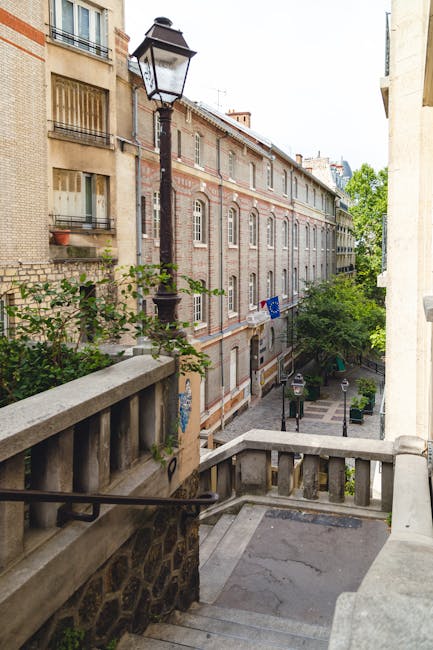
Why De Beauvoir Square Moves: Stairs, Courtyards and Elevators Matters
People often think a move is mostly about boxes, tape and a van. In reality, access is the thing that shapes the whole day. A top-floor flat with no lift, a courtyard with tight turning space, or a shared hallway with fragile paintwork changes how furniture is carried, how many crew are needed, and how long loading takes.
In De Beauvoir Square, that matters because property layouts vary so much. Some buildings offer a decent communal lift; others have stairs that feel manageable until you're carrying a wardrobe or bed base around a bend. Courtyards can be elegant and quiet, but they can also limit van positioning, create parking headaches, or require careful handballing from a safer loading point. Little details, big impact.
That is why the best moves start with access planning, not lifting. If you want a wider overview of how a coordinated move comes together, it helps to read how to move like a pro with a stress-free plan alongside pre-relocation decluttering advice. The fewer unnecessary items you carry, the less you ask of the stairs.
There is also a safety angle. Repeated lifting on stairs, awkward turns through courtyards, and balancing items in lifts all raise the chance of knocks or strain. A well-planned move reduces those risks in a very practical way. Not glamorous, but absolutely worth it.
How De Beauvoir Square Moves: Stairs, Courtyards and Elevators Works
At its simplest, this type of move is about mapping the route from item to vehicle before anything gets picked up. The team looks at the building access, the size of the furniture, the likely carrying distance, and any restrictions around parking or shared spaces. Then the move is organised around that reality, not around wishful thinking.
Here's what usually gets assessed:
- Stair width and shape: straight flights are one thing; narrow turns and split landings are another.
- Lift size and availability: a lift may be useful for boxes and smaller pieces, but not every item will fit safely.
- Courtyard access: some courtyards allow decent loading, while others need more delicate planning.
- Parking and route length: the closer the van can get, the faster the job usually becomes.
- Item type: sofas, wardrobes, mattresses and pianos often need very different handling.
The work often starts with loading the easiest items first, then moving to the more awkward pieces while the route is clear and the crew is still fresh. That may sound obvious, but on moving day, obvious things get forgotten. It happens all the time.
For bulky household goods, a dedicated service such as furniture removals in De Beauvoir Town can be especially helpful because the whole approach is based around awkward dimensions, fragile finishes and tight access. For high-value or delicate items, such as a concert upright or baby grand, piano removals bring the right handling and protection into the picture.
Truth be told, the move is usually a sequence of small decisions: whether to use the lift, whether to protect stair rails, whether to carry or dismantle, whether to park at the courtyard edge or further out. Those decisions add up.
Key Benefits and Practical Advantages
A well-planned access-based move gives you more than just speed. It changes the whole experience of the day. Less strain, less confusion, fewer knocks against walls, and less of that frazzled feeling when people are standing around trying to work out the next step.
Here are the main benefits:
- Faster loading and unloading: a clear route means less stop-start movement.
- Reduced damage risk: careful planning helps protect bannisters, flooring, lift interiors and furniture edges.
- Better crew efficiency: the right number of movers can be assigned for stairs-heavy or courtyard-heavy access.
- Lower stress: when everyone knows the plan, the day feels much more controlled.
- Better use of equipment: straps, blankets, dollies and protectors can be selected properly.
- Less disruption to neighbours: quieter, cleaner, more considerate handling is easier when access is mapped out.
One practical benefit people often miss is timing. If a lift is shared, or a courtyard is busy at school run time, you may save a surprising amount of time by choosing the right window. A small shift in schedule can make the whole move feel calmer. Mid-morning, after the commuter rush, can be a noticeably easier slot in many parts of London.
If you are comparing move types, it also helps to look at related services such as flat removals in De Beauvoir Town or house removals, depending on whether stairs and shared access are the main challenge or just one part of a larger relocation.
Who This Is For and When It Makes Sense
This kind of move is especially relevant if you live or work in a property where access is not a simple front-door-to-driveway situation. That includes many residents around De Beauvoir Square, but the same principles apply anywhere with mixed building types and shared spaces.
It makes sense for:
- Flat moves involving upper floors and narrow stairwells
- Buildings with lifts that are too small for large furniture
- Homes with shared courtyards or internal access routes
- Students moving in or out with tight timetables
- Families relocating wardrobes, beds, sofas or appliances
- Office moves where equipment has to pass through communal areas
If your move is urgent, you may also need a faster turnaround. In that case, same-day removals in De Beauvoir Town can be worth exploring, especially when a lease ends unexpectedly or keys are delayed. Not ideal, but life rarely gives perfect notice.
For students, the access challenge is often less about quantity and more about time pressure. A few backpacks, a desk, a mattress and a couple of boxes may sound manageable until you realise the only lift is tiny or the stairwell doubles back on itself. Small move, big admin.
Step-by-Step Guidance
Good access planning is mostly common sense, but common sense works best when it is written down. Here's a practical step-by-step approach.
- Walk the route before moving day. Check the stairs, courtyard gates, lift dimensions, turning points and any awkward corners. If possible, do it when you're not rushed.
- Measure large items properly. Measure height, width and depth of sofas, beds, wardrobes and appliances. Then compare that to the narrowest point on the route, not just the front door.
- Separate what can be dismantled. Bed frames, table legs, shelves and some wardrobes are far easier once taken apart. A simple screwdriver can save a lot of swearing. Just saying.
- Book the right support. If the move includes awkward furniture, consider a service that handles heavy lifting safely, such as man and van services in De Beauvoir Town or a more complete removal service depending on the scale.
- Protect the shared spaces. Floor runners, blankets and corner protectors help keep stair edges and lift interiors from scuffs.
- Load in the right order. Keep essential items accessible and avoid burying the kettle, bedding or phone chargers under heavier furniture.
- Plan the hand-off at both ends. Make sure someone can guide movers at the destination, especially if the layout is similarly awkward.
For more detailed packing advice, these packing tricks for a hassle-free move are genuinely useful. And if you need boxes, tape and other basics, packing and boxes is the practical place to start.
A small but important tip: label boxes by room and by priority, not just by content. "Kitchen - first night" is far better than "misc kitchen". You'll thank yourself later.
Expert Tips for Better Results
Once the basics are covered, a few details can make the whole move smoother. These are the kinds of things that experienced movers think about automatically.
- Use soft protection where spaces are tight. Blankets and padded covers help when turning furniture on stairs or through narrow courtyard gates.
- Keep one person on route control. That person watches for door swings, people in the hallway, lift timing and any pinch points.
- Take bulky pieces apart before the day if possible. The night before is better than a stressed morning, frankly.
- Check lift rules in advance. Some buildings limit what can go in lifts or when they can be used. A quick check can avoid an awkward delay.
- Wrap handles and corners. Sharp edges are the things that seem harmless right up until they catch a wall.
- Keep the stairwell clear. It sounds basic, but a clutter-free route prevents accidents and keeps the move flowing.
One thing we see often: people underestimate how tiring repeated stair carrying is. The first two items feel fine. The tenth one? Different story. This is where the right crew size matters. The job should be paced, not rushed.
If you are moving something particularly heavy, it is worth reading guidance on lifting heavy objects and, for a more technical view, the principles behind kinetic lifting. Both are useful reminders that technique matters just as much as muscle.
And if your sofa is going into storage before it reaches the new place, this guide to expert sofa storage techniques helps keep upholstery in decent shape rather than sad and dusty.

Common Mistakes to Avoid
Most access problems are predictable. That's the frustrating bit. The good news is that once you know what to watch for, the same problems become much easier to sidestep.
- Ignoring measurements. A wardrobe that fits the room may still fail at the staircase turn.
- Leaving lift checks until the day. If the lift is out of service or too small, you need a backup plan.
- Overpacking boxes. Heavy boxes and stairs are a bad combination, especially on longer carries.
- Forgetting access timing. Courtyards, residents' parking, shared entrances and building management rules can all affect the schedule.
- Not protecting surfaces. One scrape on a painted bannister can become a very visible problem.
- Trying to move everything alone. You may be capable. That does not mean it is wise.
There's also a subtle mistake people make around communication. They assume the mover, the building manager and the resident all have the same understanding. They usually don't. A short message confirming access, timing and entry details can prevent a long, annoying delay.
If the move is part of a wider life tidy-up, it can also help to arrange a final clean. A proper handover feels better, and if you want practical advice, this pre-move cleaning guide is a solid reference.
Tools, Resources and Recommendations
You don't need a warehouse full of gear, but the right tools make a real difference. Especially where stairs and tight access are involved.
| Tool or resource | Why it helps | Best for |
|---|---|---|
| Furniture blankets | Protects surfaces, corners and finishes during stair or courtyard moves | Sofas, tables, wardrobes |
| Ratchet straps | Keeps items secure in the van and reduces shifting | Large or heavy furniture |
| Trolley or dolly | Reduces carrying strain on level ground and in wider spaces | Boxes, appliances, stacked loads |
| Floor protection | Helps protect communal hallways, lobbies and lift interiors | Shared buildings and managed properties |
| Quality boxes and tape | Stops crushed corners and keeps the load manageable | Books, kitchenware, clothing, personal items |
For people moving with fewer items or tighter budgets, a smaller vehicle option may make sense. Man with a van can suit short-distance moves, student relocations and lighter loads where access is still tricky but the volume is manageable. If you're not sure what size fits, a dedicated removal van page can help you think through the space you actually need.
And if some items need to be held temporarily between addresses, storage in De Beauvoir Town can take the pressure off when completion dates, decorators or renovation schedules do not line up neatly. They rarely do, do they?
Law, Compliance, Standards, or Best Practice
For moves involving stairs, courtyards and elevators, there usually isn't a single special rule that covers every situation. Instead, the safe approach is to follow established moving best practice, building instructions, and normal UK health and safety expectations.
That generally means:
- planning access to reduce the risk of injury or damage
- using suitable lifting techniques and enough people for heavy items
- protecting communal areas where possible
- respecting building rules about lift use, loading zones and quiet hours
- being careful with items that are too large or too fragile for one-person handling
If a building manager asks for advance notice or specific moving windows, treat that as part of the job, not an annoyance. In London, shared access is often the difference between a smooth move and a very long morning waiting for permission. There may also be practical expectations around parking and safe loading, especially where courtyards or narrow roads are involved.
For customers who want to understand the business side of a move, the company's insurance and safety information, along with health and safety policy details, are worth checking before booking. It is one of those boring-but-important steps that pays off later.
There's also a trust angle. Clear terms, straightforward booking information and transparent payment handling all make a move feel calmer. If that matters to you, take a look at payment and security and terms and conditions.
Options, Methods, or Comparison Table
Not every stair, courtyard or lift move needs the same approach. The right choice depends on your furniture, the building layout and how much help you want on the day.
| Method | Best for | Strengths | Limitations |
|---|---|---|---|
| DIY with help from friends | Small loads, short distances, easy access | Lower upfront cost, flexible timing | Higher strain, more risk on stairs and awkward turns |
| Man and van | Light to medium moves, students, single-room relocations | Good for local moves, simple to arrange | May not suit large furniture or complex access without extra planning |
| Full removal service | Whole-home moves, bulky furniture, multi-floor access | More hands, better equipment, usually smoother for difficult access | Can cost more than a minimal option |
| Hybrid move with storage | Moves with timing gaps or renovation delays | Flexible, reduces pressure on move day | Requires extra coordination |
If the move is relatively light, a student removals approach can be efficient and sensible. For offices, where lifts and communal corridors must be handled with care, office removals are usually the better fit.
In plain terms: choose the method that fits the access, not the other way round. That sounds obvious, but it is where many people slip up.
Case Study or Real-World Example
Imagine a couple moving out of a second-floor flat near De Beauvoir Square. The building has a lift, but it is small and shared. The courtyard is attractive, but access is tight and the van cannot sit directly outside the entrance for long. They have a sofa, bed frame, mattress, dining table, several boxes, and a couple of awkward lamps.
The move goes better once they do three things early:
- they dismantle the bed frame the night before
- they remove non-essential items from the hallway and living room
- they reserve the lift and confirm the best loading point with the building contact
On moving day, the crew uses the lift for boxes and lighter pieces, then manages the sofa and larger items via the stair route with proper padding and careful turning. Because the route is clear, nothing gets stuck, and nobody is forced to carry something blind around a corner. Small win, but it matters.
That same move would have felt very different if the couple had packed late, left the mattress unwrapped, or assumed the lift could take everything. In our experience, those assumptions are where the real delays begin. The moving van wasn't the issue. The building layout was.
If the sofa had needed temporary off-site protection, the move could also have been supported by a storage plan, which is where sofa storage guidance becomes very practical. A slightly boring detail, yes. A useful one too.
Practical Checklist
Use this checklist before a move involving stairs, courtyards or elevators. It keeps the day much more manageable.
- Measure every large item and every narrow access point
- Confirm whether the lift is available and large enough
- Check courtyard access, gate codes and loading restrictions
- Book parking or loading permissions if needed
- Dismantle furniture where sensible
- Pack heavy boxes so they remain liftable on stairs
- Wrap fragile corners and surfaces
- Label boxes by room and priority
- Protect communal floors, lift walls and stair edges
- Keep essentials separate for the first night
- Share access details with the moving team in advance
- Have a backup plan if the lift fails or access changes
Expert summary: the easiest way to make a stair, courtyard or elevator move smoother is to plan the route before you plan the lifting. Once the route is clear, the rest becomes far more predictable, and that calmness really shows on the day.
Get a free quote today and see how much you can save.
Conclusion
De Beauvoir Square moves: stairs, courtyards and elevators are all about understanding the real shape of the property, not just the address. When you plan around access properly, you protect your furniture, reduce strain, and avoid the little delays that can turn a move into a stressful slog.
The smartest moves are rarely the most dramatic ones. They are the ones where someone measured the hallway, checked the lift, packed the boxes well, and thought one step ahead. That quiet preparation is what makes a move feel manageable.
If you are getting ready now, start with the route, then the packing, then the lifting. Simple as that. And if you want support from people who understand the local layouts and the practical realities of London moves, there is real peace of mind in choosing a team that knows the difference between a straightforward carry and a stair-heavy job with tight access. That bit matters more than most people realise.