Southgate Road & Kingsland Rd: narrow-street removal plans
Posted on 06/05/2026
Southgate Road & Kingsland Rd: narrow-street removal plans
Moving on Southgate Road or Kingsland Road can feel straightforward on paper and slightly chaotic in real life. The streets look manageable until a van turns up, parking is tight, and a sofa suddenly seems to have grown three extra inches. That is exactly why Southgate Road & Kingsland Rd: narrow-street removal plans matter. They turn a potentially awkward move into something calmer, safer, and far more predictable.
In this guide, we break down what a narrow-street removal plan actually involves, why it matters in this part of North London, and how to prepare properly. You will find practical steps, common mistakes, a comparison table, a checklist, and a realistic example based on the sort of moving situation people run into around these busy, compact streets. If you are planning a flat move, dealing with awkward access, or simply trying to avoid last-minute panic, this is for you.

Why Southgate Road & Kingsland Rd: narrow-street removal plans Matters
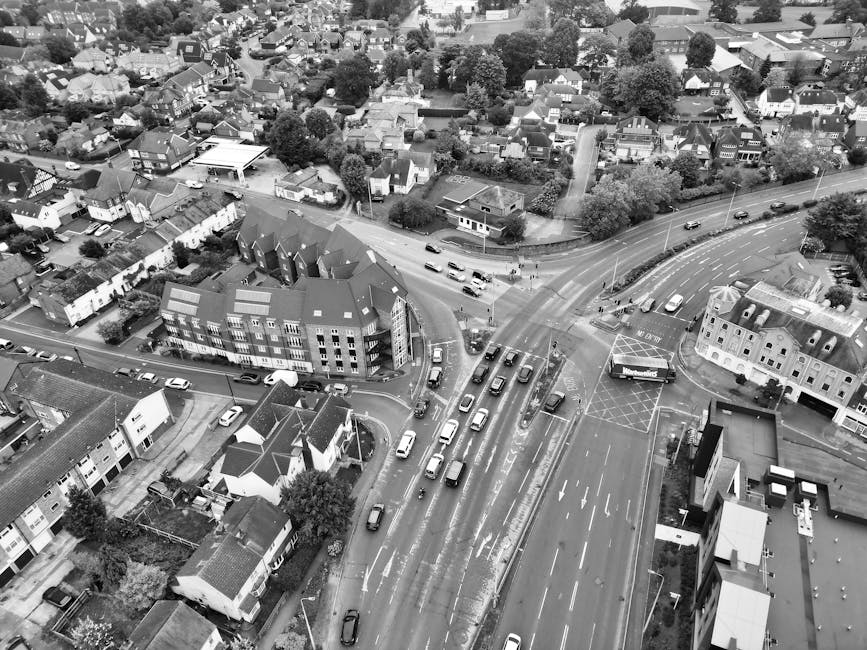
Southgate Road and Kingsland Road sit in one of those parts of London where the road network looks simple until you actually try to move furniture through it. Narrow carriageways, parked cars, cyclists, delivery traffic, side roads, and limited stopping space all combine to make removals more complicated than a standard suburban move. To be fair, the issue is not only the street width. It is the whole chain of access, timing, loading, and safety.
A narrow-street removal plan matters because every delay costs effort. A van that cannot stop near the property may mean longer carrying distances, more trips, higher labour strain, and more time spent blocking traffic while everyone gets a little more stressed. Nobody wants that, especially if there are neighbours, landlords, or building managers watching the clock.
There is also a practical reality: furniture moves differently when you are working from a tight kerbside position. Doors need more room to swing. Stairwells may need more protection. Large items such as wardrobes, beds, dining tables, and exercise equipment often need to be dismantled or rotated in ways you would not think about until the hallway says otherwise. If you are moving a heavier item, it is worth reading about safe ways to handle heavy objects before you lift anything at all.
There is a second reason this matters: narrow streets are unforgiving if the plan is vague. If you arrive without checking access, van size, parking options, or loading windows, the day can become a domino effect of small problems. One missed detail leads to another. And then suddenly the move is taking place at 8:45 in the morning with a bin lorry behind you. Not ideal.
How Southgate Road & Kingsland Rd: narrow-street removal plans Works
A good removal plan for these streets starts before the van arrives. In practice, it is a simple framework: assess access, reduce volume, choose the right vehicle, set the loading sequence, and decide how the crew will work from kerb to property. That sounds obvious, but in busy parts of De Beauvoir Town and the wider N1 area, the details matter more than the headline.
The process usually begins with an access review. That means checking where a van can stop legally and safely, how far items must be carried, whether there are loading restrictions, and whether the building has stair access, lift access, or awkward internal turns. If you are unsure about the local driving pattern, a guide like the best removal routes in De Beauvoir Town N1 for vans can help you think in terms of route planning rather than just postcode planning.
Next comes volume control. Fewer boxes, fewer loose items, fewer surprises. This is where pre-move decluttering really pays off. One small bag less may not sound like much, but when the back of the van is being packed like a jigsaw, every saved inch matters. Our experience is that moves on tight streets go smoother when people do a proper sort-out first, not the evening before, but a few days ahead. If you need a structured approach, see pre-relocation decluttering advice.
Then there is the loading sequence. Heavy items should generally go in first, securely positioned against the bulkhead, with lighter boxes stacked safely around them. Fragile items need padding, and long items need special attention because they can catch on doorways or street furniture. When people skip planning, they often end up carrying the same item twice. Nobody enjoys that second walk. Nobody.
For many household moves, a compact van or a flexible man-and-van arrangement is enough. For larger properties or awkward stair access, a larger team or a dedicated removal vehicle may be the better fit. The right option depends on volume, access, and timing, not just on price alone. That distinction matters more than most people think.
Key Benefits and Practical Advantages
Good narrow-street removal planning gives you more than convenience. It reduces friction at every stage of the move. Here are the main benefits people usually notice first.
- Less carrying distance: a well-planned stop point means fewer steps, fewer trips, and less strain.
- Safer lifting: the shorter and cleaner the route, the lower the risk of awkward twists or rushed handling.
- Better timing: when loading is organised, the move tends to stay closer to schedule.
- Less disruption to neighbours: quicker loading helps reduce congestion and noise on already busy streets.
- Lower risk of damage: fewer rushed manoeuvres mean less chance of scraping walls, railings, or furniture.
- More predictable costs: fewer delays and fewer complications can help keep the job efficient.
There is also a quieter benefit: peace of mind. When you know the van can access the property, the boxes are labelled, and the plan is clear, you stop second-guessing everything. That mental load is real. Moving is tiring enough without having to improvise every five minutes.
If you are moving furniture specifically, a focused service such as furniture removals in De Beauvoir Town can be especially helpful for bulky or fragile pieces that need more than a basic carry-out.
Who This Is For and When It Makes Sense
This kind of planning is most useful for anyone moving along or near Southgate Road and Kingsland Road where street access is tight, parking is limited, or loading space is unpredictable. In practice, that includes quite a lot of people.
- People moving out of top-floor flats or maisonettes
- Households with large furniture or awkward items
- Students and sharers moving on a budget but with limited help
- Small offices relocating equipment, files, or desks
- Families using a van and crew on a tight turnaround
- Anyone needing same-day or short-notice support
It also makes sense if you are moving at a time when the street is busier than usual. Morning school traffic, delivery windows, bin collections, and weekend activity can all make access trickier. Sometimes the move is not difficult because of the furniture. It is difficult because the street is alive.
For flat residents, this is especially relevant. Stairs, narrow landings, and shared entrances can make a simple one-bedroom move feel surprisingly technical. If that sounds familiar, the page on flat removals in De Beauvoir Town is a useful companion read.
And if you are moving from or into a student property, the pace and volume often call for a lighter, faster approach. That is where student removals in De Beauvoir Town can be a sensible fit.
Step-by-Step Guidance
Here is a practical way to organise a narrow-street move without making it more complicated than it needs to be.
- Check access first. Measure the entrance, stair widths, and any tight corners. Look at the street for parking restrictions, yellow lines, or loading constraints.
- Reduce what you are moving. Declutter before the packing starts. Less volume means less strain and less van space used.
- Choose the right vehicle. A smaller van may be easier on narrow roads, even if it requires more thought about packing order.
- Prepare your items. Dismantle beds, remove drawers if needed, and secure loose parts. A helpful read here is how to relocate a bed and mattress properly.
- Pack by priority. Keep daily essentials, documents, chargers, and toiletries separate so they do not disappear into the van.
- Label clearly. Mark boxes by room and note any fragile items. It saves time later, which sounds boring until you need your kettle at 9pm.
- Plan the load order. Heavy items first, then medium items, then delicate items on top. Keep access paths clear.
- Protect the property. Use blankets, corner guards, and floor protection where needed, especially in shared hallways or period properties.
- Confirm timing. Give yourself a buffer for traffic, lift delays, and the occasional unavoidable holdup.
- Do a final walkthrough. Check cupboards, lofts, under beds, meters, and communal storage before the van leaves.
A small but useful point: if you are moving cold or perishable items, plan for them separately. Freezers and food storage need a different approach from furniture, and a guide like preparing your freezer for temporary storage can save a lot of unnecessary mess.
Expert Tips for Better Results
Over time, the moves that go best on narrow streets tend to share the same habits. Nothing flashy. Just good decision-making.
Keep the van choice realistic
It is tempting to think a bigger van means fewer trips, but on a narrow road that can backfire. A more manageable vehicle may be faster overall because it parks easier and allows cleaner loading. The point is not maximum capacity. The point is efficiency.
Use the street like a working zone
Think of the pavement, doorway, and van space as one continuous work area. If one section is cluttered, the whole process slows down. Keep boxes grouped and avoid creating a random pile of items outside the door. It looks chaotic and increases the chance of damage.
Separate fragile and awkward items early
Mirrors, lamps, artwork, and glass tops should not be the last thing you think about. Set them aside in advance so they are handled with the right packing materials. For larger specialist items, the guide on piano removals in De Beauvoir Town is a useful reminder that some objects need a very deliberate approach.
Do not leave empty time gaps
If the van arrives too early, there may be nowhere to stop. If it arrives too late, road space and daylight can become issues. Tight urban moves work best when timing is pinned down with a bit of realism, not optimism alone.
Use packing to reduce stress, not create it
Simple, consistent packing methods make a huge difference. Strong boxes, sensible weight distribution, and labelled rooms are enough for most household moves. If you want a better system, these packing tricks for a hassle-free move are genuinely worth a look.
And one more thing, because people forget it all the time: make sure someone can actually open the front door while another person is trying to carry a wardrobe out. It sounds silly, but it happens.
Common Mistakes to Avoid
Narrow-street removals are rarely derailed by one huge error. More often, they are slowed down by several small ones. Here are the usual suspects.
- Not measuring access: assuming a sofa will fit through a doorway can end in awkward pivoting and a lot of sighing.
- Ignoring parking rules: this can add delays and risk avoidable problems on the day.
- Packing too late: rushed boxes are heavy, messy, and more likely to split.
- Overloading boxes: books in a giant box is a classic mistake. It looks harmless until you try lifting it.
- Forgetting building rules: some blocks or managed properties have specific moving times or access requirements.
- Leaving fragile items loose: if it can slide, it probably will.
- Not preparing the route inside the property: cluttered hallways and loose mats can trip people up.
There is also a quieter mistake: not asking enough questions. If you are booking a moving service, it is better to over-clarify than to assume. Ask about access, crew size, vehicle type, insurance, and what happens if the street is temporarily blocked. That conversation takes a few minutes. The saved stress is worth it.
If you are comparing service levels, the broader overview on removal services helps you understand what support is available beyond basic transport.
Tools, Resources and Recommendations
You do not need a mountain of equipment, but a few sensible tools can make a narrow-street move far smoother.
| Tool or Resource | Why it helps | Best used for |
|---|---|---|
| Furniture blankets | Protects surfaces from scrapes and knocks | Sofas, cabinets, tables, bed frames |
| Straps and ties | Helps stabilise load in the van | Heavy or tall items |
| Corner protectors | Reduces damage in tight hallways and door frames | Shared entrances, flats, office corridors |
| Sturdy boxes | Makes stacking safer and more predictable | Books, kitchenware, mixed household items |
| Marker pens and labels | Keeps the unloading order organised | Room-by-room packing |
| Route planning support | Helps avoid unsuitable access points and delays | Busy local streets and time-restricted loading |
For many people, the most useful resource is not a tool at all, but a reliable moving plan that fits the property. That may include a specialist van, temporary storage, or help with packing. If you need to hold some furniture before moving in, storage in De Beauvoir Town can be a sensible bridge between properties.
It is also worth reading practical support content around getting ready for moving day itself. A focused read like how to move like a pro and stay organised can help you build a cleaner overall plan.
Law, Compliance, Standards, or Best Practice
For narrow-street removals, the main compliance concerns are usually practical rather than dramatic. You are typically dealing with parking rules, loading restrictions, property access, insurance cover, and safe handling standards. The exact requirements can vary by street, borough, building type, and time of day, so it is sensible to check local restrictions rather than assume anything.
Good practice usually includes the following:
- Parking only where it is lawful and safe to do so
- Respecting loading bays, yellow lines, and any time-limited restrictions
- Keeping access routes clear for residents and pedestrians
- Using appropriate manual handling methods for heavy or awkward items
- Protecting property during carry-out and loading
- Making sure the removals provider has suitable insurance and clear procedures
If you want confidence around handling and cover, the page on insurance and safety is a useful place to start. For company policies and standards, resources like the health and safety policy and terms and conditions can also help set expectations.
There is no need to overcomplicate this. But do not wing it either. A narrow street leaves less room for guesswork, and that is just the truth of it.
Options, Methods, or Comparison Table
Different moving methods suit different narrow-street situations. Here is a simple comparison that can help you choose the right approach.
| Method | Best for | Strengths | Trade-offs |
|---|---|---|---|
| Man with a van | Small to medium moves, quick turnarounds | Flexible, efficient, often easier on tight roads | May require more hands-on preparation from you |
| Full removal crew | Larger households, complex access, heavy furniture | More support, better for awkward items | Usually more coordination and sometimes higher cost |
| Self-move with hire van | Very budget-conscious moves with good help available | Lower direct cost, full control | More physical work and more risk if access is tight |
| Same-day removal support | Urgent changes, short-notice move dates | Fast response, less waiting around | Availability can be limited and planning time is shorter |
If your move is time-sensitive, a service like same-day removals in De Beauvoir Town may be worth exploring. If you need a broader view of vehicle options, the page on man with a van is a practical starting point, especially for compact urban moves.
The better choice depends on the street, the load, and how much help you actually need. Not just the brochure version of the move. The real one.
Case Study or Real-World Example
Here is a realistic example. A couple moves out of a first-floor flat just off Kingsland Road. They have a bed frame, a two-seater sofa, three book boxes, kitchen items, a tall lamp, and a couple of fragile mirrors. The street has restricted stopping space, and the building entrance opens directly onto a narrow pavement. Nothing dramatic, but enough to make bad planning obvious very quickly.
They start by reducing what they are taking. A few duplicated items are donated, and two overfilled boxes are repacked into four lighter ones. They dismantle the bed in advance, wrap the mirror separately, and keep essential items in one clearly marked bag. On moving day, the van is positioned as close as legally possible, and the crew uses blankets and straps to keep the load secure.
The move is not lightning fast, but it is steady. More importantly, there is no chaotic reshuffling on the pavement and no last-minute panic over whether the sofa will turn the corner. The whole job feels less like a scramble and more like a process. That is what a good narrow-street plan gives you: not perfection, just control.
They also arranged a small amount of temporary storage for items they were not ready to unpack. If that kind of gap exists in your own move, you may want to look at how to store a sofa properly before deciding what needs to travel now and what can wait.
Practical Checklist
Use this as a last-minute check before move day.
- Confirm the moving date and arrival window
- Check parking and loading access on Southgate Road or Kingsland Road
- Measure doorways, stair turns, and any tight internal gaps
- Dismantle beds and large furniture where needed
- Pack fragile items separately and label them clearly
- Keep essential documents, chargers, and valuables with you
- Make sure boxes are not too heavy to carry safely
- Protect floors, walls, and corners in the property
- Tell neighbours or building management if access may be busy
- Review the final rooms, cupboards, lofts, and storage spaces
- Have a backup plan for delayed parking or street access
- Keep water, snacks, and a phone charger handy. Seriously, it helps.
If your move involves boxes, bedding, or a long list of household items, the article on packing tricks for a hassle-free move can make the whole checklist easier to follow.
Expert summary: the best narrow-street removals are not the ones that move the fastest; they are the ones that move steadily, safely, and with enough planning that nobody has to improvise under pressure.
Get a free quote today and see how much you can save.
Conclusion
Southgate Road & Kingsland Rd: narrow-street removal plans are really about turning a difficult access problem into a manageable moving day. When the street is narrow, the van choice matters, the packing matters, and the timing matters. But with the right preparation, the whole process becomes much less stressful than it first looks.
The best approach is usually simple: reduce clutter, confirm access, choose the right vehicle, and keep the loading sequence tight and sensible. From there, the move tends to behave itself. Well, mostly. London streets do occasionally have their own ideas.
When you plan properly, you protect your furniture, your time, and your energy. And that is a very decent trade.
For a quick next step, review your access, shortlist the items that need extra care, and decide whether you need a standard van, a fuller removal service, or temporary storage. If you do that today, the rest of the move will already feel lighter tomorrow.
And honestly, that calmer feeling on moving day is worth a lot.