Best removal routes in De Beauvoir Town (N1) for vans
Posted on 26/05/2026
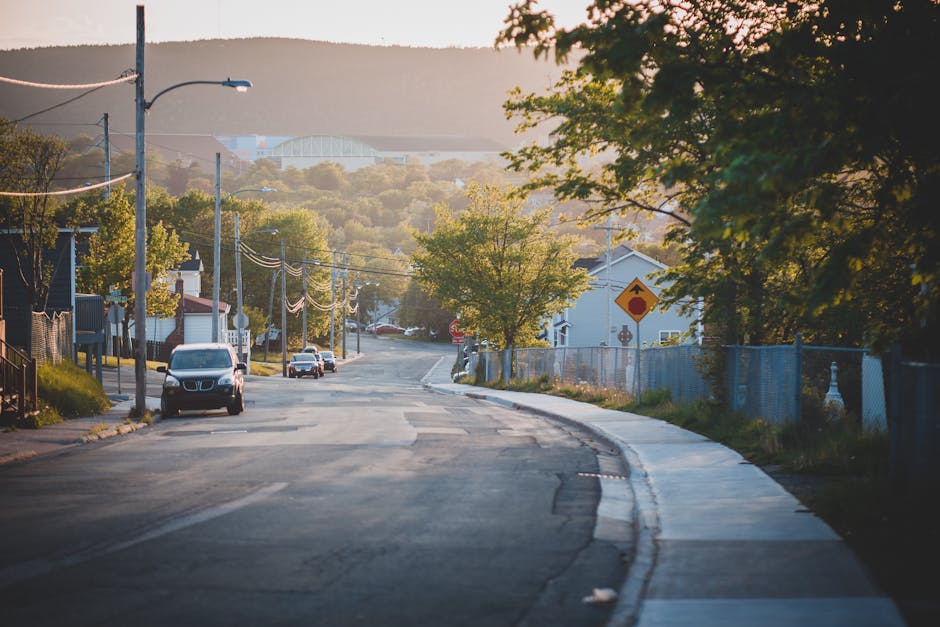
Moving a van through De Beauvoir Town can be straightforward, but only if you choose the right streets, the right timing, and the right loading approach. The area sits in a part of North London where residential roads, narrow junctions, parking pressure, and school-run traffic can turn a simple move into a slow crawl. If you are comparing the best removal routes in De Beauvoir Town (N1) for vans, this guide gives you the practical, street-level thinking that actually helps on moving day.
The aim is simple: help you avoid blocked turns, unnecessary reversing, awkward loading spots, and last-minute stress. Whether you are planning a flat move, a house move, a student relocation, or a larger furniture job, the route you pick can affect time, safety, and cost. A good route is not just the shortest one. It is the one your van can use cleanly, legally, and without drama.
Along the way, you will also find useful links to related removal advice, route planning support, and service pages, including man and van services in De Beauvoir Town, flat removals, and packing and boxes support if you want a smoother move from start to finish.
Why Best removal routes in De Beauvoir Town (N1) for vans Matters
Route planning matters in De Beauvoir Town because the area is not built like a logistics park. It is a lived-in neighbourhood with a mix of terraces, mansion blocks, corner shops, side streets, and pinch points that can make van access awkward. Add parking restrictions, delivery vans, cyclists, and the occasional roadworks detour, and even a short job can take longer than expected.
For removals, the consequences are bigger than inconvenience. A poor route can mean:
- longer loading and unloading time
- higher labour cost on timed jobs
- extra walking distance from van to door
- more risk of damage to furniture or property
- stress for neighbours and residents
- greater chance of getting stuck or having to reverse in tight spaces
This is why local knowledge is so valuable. If you are using a removal van in De Beauvoir Town, the best route is often the one that balances access and simplicity rather than trying to shave off a minute or two. Truth be told, a slightly longer road can be far better than a narrow shortcut that forces awkward manoeuvres.
It also affects how your move feels. A calm arrival at the property sets the tone. A van that reaches the front door area cleanly, without blocking the flow of traffic or occupying an impossible corner, gives the team a proper working position. That can be the difference between a move that feels controlled and one that feels improvised.
How Best removal routes in De Beauvoir Town (N1) for vans Works
Good removal routing is a mix of local geography, vehicle size, and timing. In practice, you are matching the van to streets it can physically use, while also accounting for where it can stop safely and legally.
Most van moves in De Beauvoir Town start with three questions:
- Which roads allow the van to approach the property without tight turns or low-clearance surprises?
- Where can the driver stop close enough to make loading efficient?
- What time of day gives the best access with the least traffic and the fewest restrictions?
That is the basic framework. The details depend on the property type. A top-floor flat, for example, may require a more direct route to the nearest loading point because every extra metre carries a cost in time and effort. If your move involves bulky items, you may also need route planning to support special handling; related guidance such as why piano moving is not a solo task and bed and mattress relocation tips can help you understand why access matters so much.
In a practical sense, the route planning process often follows this pattern:
- Map the start and finish points. Include the exact building entrance, not just the postcode.
- Identify the van type. A small van can handle tighter streets than a long wheelbase or luton-style vehicle.
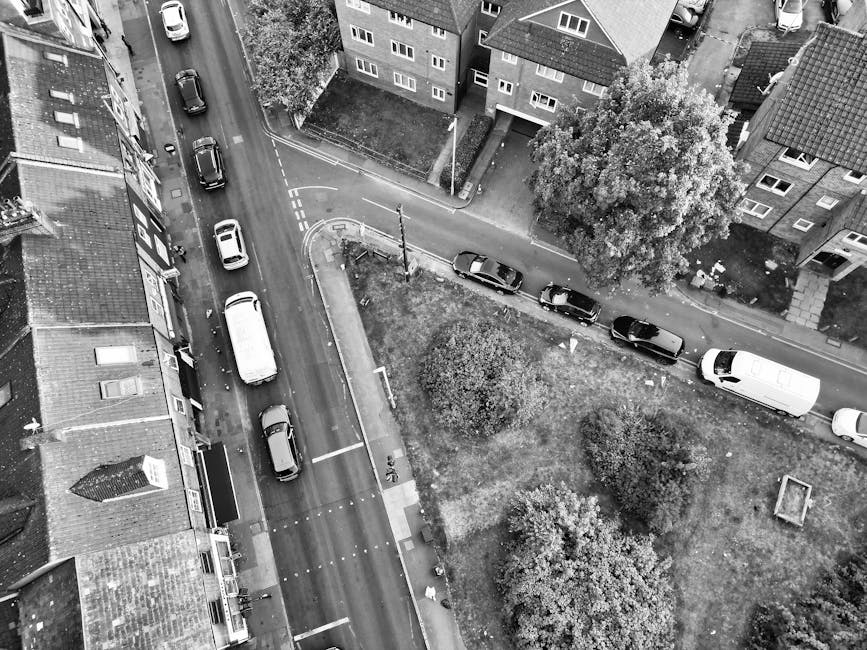
- Check road width and turning space. Look out for parked cars, one-way sections, and awkward corners.
- Plan the parking position. The closer the van can get without causing obstruction, the better.
- Build a backup option. If the nearest road is blocked, you need an alternative that still keeps the carry distance reasonable.
For many moves, the best approach is a direct local approach from the nearest sensible arterial route into the neighbourhood, then a short final stretch into the street closest to the entrance. That keeps the van away from unnecessary zig-zagging and lowers the chance of getting trapped in a narrow side road with nowhere to go.
Key Benefits and Practical Advantages
Choosing smarter van routes does more than save time. It creates a cleaner, safer, and more professional move overall.
- Less time spent manoeuvring: When the route suits the vehicle, the driver spends less energy threading through tight spaces.
- Better loading efficiency: If the van is parked sensibly, movers can work in a rhythm instead of constantly adjusting positions.
- Lower breakage risk: Shorter carry distances and fewer awkward turns reduce the chance of knocks and drops.
- Less disruption to neighbours: A tidy parking plan avoids blocking drives, crossings, or corners.
- Improved schedule control: Route certainty makes it easier to estimate how long the job will take.
- More flexibility for mixed loads: A route that suits a van with boxes, furniture, or appliances is easier to work with than a route that only suits an empty vehicle.
There is also a quiet but important benefit: the move feels more professional. That matters whether you are hiring a man with a van or arranging a larger service such as house removals in De Beauvoir Town. When the route, parking, and loading plan all line up, the whole day runs with less friction.
Expert summary: In De Beauvoir Town, the best van route is usually the one that reduces stopping, reversing, and carry distance, even if it is not the absolute shortest on a map.
Who This Is For and When It Makes Sense
This topic is useful for anyone moving anything larger than a few bags. But it is especially relevant if you are handling a real household load, time-sensitive deliveries, or furniture that needs careful handling.
You will benefit most from route planning if you are:
- moving from a flat with limited street access
- relocating on a busy weekday
- using a medium or large removal van
- moving furniture, appliances, or fragile items
- sharing the move with friends or family and want to reduce confusion
- booking student removals with a tight budget and schedule
- coordinating a same-day move where delays are expensive
It also makes sense if you have awkward items such as sofas, beds, or a piano. For those, route planning is not just about roads; it is part of the wider handling plan. The route should support the item, not fight it. If you are moving specialised or heavy belongings, pages like piano removals in De Beauvoir Town and furniture removals can help you think beyond the van itself.
When does route planning matter less? If you are moving only a few boxes in a very small vehicle and can park directly outside, the stakes are lower. Even then, though, it is worth checking loading access in advance. One small blocked bay can change the entire morning.
Step-by-Step Guidance
If you want a practical way to choose the best route, use this simple process. It is designed for real moving days, not ideal conditions.
1. Start with the exact property access
Do not rely on the postcode alone. Check whether the entrance faces the main road, a side street, a courtyard, or a service lane. In De Beauvoir Town, two homes with the same postcode style can have very different access patterns.
2. Match the route to the van size
A smaller van can often handle tighter street geometry and quicker stops. A larger van may need more room for turning and loading. If you have not chosen the vehicle yet, consider man and van options alongside the likely volume of your load.
3. Check for parking reality, not parking optimism
Map-based planning is useful, but it is only the starting point. You need to think about actual space on the day: parked cars, bins, dropped kerbs, residents returning home, and delivery vehicles. A route that looks fine at 8 a.m. may be useless by midday.
4. Keep the final approach simple
Where possible, choose a final approach that avoids unnecessary turns onto very narrow residential streets. A cleaner final run means less stress and less chance of missing your planned stop.
5. Build in a buffer
Allow enough time for parking adjustments, lift access, and unplanned delays. That buffer is especially important if you have same-day removals booked, where a 10-minute delay can spread quickly through the rest of the job.
6. Confirm the exit route too
People often focus on arrival and forget departure. You need to know how the van leaves once loaded. If the chosen street becomes blocked or badly parked during the move, your carefully planned timetable can unravel fast. A good route works both ways.
7. Pair route planning with packing discipline
A tidy load supports a tidy route. If your boxes are well labelled and your fragile items are packed sensibly, the crew can work faster and keep the van organised. This is where a guide like packing tricks for a hassle-free move becomes surprisingly relevant.
Expert Tips for Better Results
A few small decisions can make a large difference on moving day. In our experience, the best outcomes usually come from practical planning rather than heroic effort.
- Use the closest workable loading point, not the closest imaginable one. A stop that lets the van sit safely and legally is worth more than a "perfect" spot that blocks traffic.
- Move early if you can. Early starts are often better for access, especially in busy residential streets.
- Keep one person focused on traffic awareness. Even a quiet local street can change quickly when drivers start reversing or delivering.
- Pre-sort items by size and weight. Larger pieces should be loaded first if the route leads to a longer carry distance, because you want the hardest part done while energy is highest.
- Protect bulky furniture properly. It is easier to move one wrapped item once than to keep rehandling it. If you are storing items before or after the move, see sofa storage techniques for a practical angle on protection.
- Ask about access before the booking is confirmed. This sounds obvious, but it saves more headaches than almost anything else.
A slightly humorous truth: vans are not great at improvising in streets that were clearly designed long before modern traffic volumes. So, yes, the road can beat the van if you let it. Better to plan than to discover that the hard way.
If you are handling heavy lifting as part of the move, it is also worth reading about safe solo lifting and kinetic lifting principles. Good route choice and good lifting technique support each other.
Common Mistakes to Avoid
Most move-day problems are predictable. The tricky part is that they often look minor during planning and major when you are already on the street.
- Choosing the shortest route by default. Shortest is not always easiest for a van.
- Ignoring van length and turning circle. A route suitable for a car can be a bad match for a loaded removal vehicle.
- Forgetting the return journey. You need room to leave as well as arrive.
- Assuming parking will "work out". That is how people end up carrying wardrobes farther than they wanted.
- Not checking for school runs or local busy periods. The same road can feel completely different at different times of day.
- Leaving fragile items unpacked until the last minute. That usually creates avoidable pressure and slowdowns.
- Overloading the van without considering access. If the route is tight and the van is packed too full, every stop becomes slower and riskier.
One common oversight is failing to match the route with the property type. For example, a flat move may benefit from a route that prioritises easy parking and short carry distance, while an office move may need better loading access and a cleaner departure path. If that is your situation, office removals in De Beauvoir Town and flat removals are good points of reference.
Tools, Resources and Recommendations
You do not need specialist software to plan a good route, but a few tools make life easier.
- Street-level mapping: useful for checking turning angles and access from both directions.
- Property photos: a quick picture of the entrance, kerb, or loading area can be more useful than a long description.
- Parking notes: keep a simple record of any restrictions, bays, or known pinch points.
- Inventory list: helps you estimate how much time the load and unload will take.
- Packaging materials: proper boxes, tape, blankets, and labels reduce delays and confusion. You can explore packing and boxes for move preparation support.
- Storage backup: if access timing changes or the property is not ready, short-term storage can save the day. See storage options in De Beauvoir Town.
For practical household preparation, it also helps to declutter before move day. Fewer items mean fewer loading decisions and less time on the kerb. A useful read here is pre-relocation decluttering, which fits neatly with route efficiency.
Law, Compliance, Standards, or Best Practice
Van route planning in a residential area should always stay within normal UK road rules and local parking requirements. That means respecting yellow lines, loading restrictions, resident bays, dropped kerbs, crossing points, and any local signage that applies on the day. Exact restrictions can vary street by street, so it is wise to check current signage rather than relying on memory from a previous move.
For movers and van operators, the practical standards are straightforward:
- Do not block access ways. Keep driveways, footpaths, and emergency access clear.
- Load safely. Heavy items should be handled using sensible lifting technique and team coordination.
- Secure the load. Furniture, boxes, and appliances should not shift during transit.
- Use appropriate insurance and safety practices. This matters especially for valuable or fragile items.
- Be considerate to neighbours and other road users. A move should be efficient, not disruptive.
If you want more reassurance around safe handling and service expectations, the pages on insurance and safety and health and safety policy are useful complements. For broader service confidence, the services overview can help you understand how different move types are supported.
Wherever your route lands, best practice means leaving the street as you found it: tidy, unobstructed, and without unnecessary risk. That is the standard that neighbours appreciate most.
Options, Methods, or Comparison Table
Different move setups call for different route strategies. Here is a simple comparison to help you choose the most sensible approach.
| Method | Best for | Advantages | Watch-outs |
|---|---|---|---|
| Direct local access route | Short residential moves and flat removals | Fast, simple, minimal detours | Can be limited by parking pressure |
| Wider-road approach with short final carry | Larger vans or awkward streets | Better turning room and easier driving | Longer carry distance from van to door |
| Early-morning loading window | Busy streets and timed removals | More parking choice and less traffic | Requires punctual start and access readiness |
| Split-load or staged move | Big homes, offices, or fragile items | Reduces pressure and can improve safety | Takes more planning and coordination |
For many customers, the best solution is a hybrid: a practical route that gets the van near the property, paired with a sensible parking position and an organised load order. That is often more effective than chasing a single "perfect" road.
Case Study or Real-World Example
Here is a realistic example. A tenant is moving from a second-floor flat in De Beauvoir Town with a small amount of furniture: a bed frame, mattress, a two-seater sofa, five boxes, and a few kitchen items. On paper, the move looks simple. In practice, the difference between a smooth day and a frustrating one comes down to access.
The first instinct is to choose the shortest road to the property. But that road has narrow parking, tight bends, and a habit of filling up by mid-morning. Instead, the better choice is a slightly wider approach road that allows the van to stop safely within a short carry distance. The movers can park without obstructing traffic, bring out the mattress and sofa in sequence, and finish without repeated repositioning.
Now compare that with a poor plan: the driver attempts a direct shortcut, finds both sides full of parked cars, then has to reverse out while carrying is already underway. The job still gets done, of course. But it takes longer, the team works harder, and the client feels the pressure.
This is where route choice quietly pays for itself. It is not dramatic. It simply makes the whole move more workable. If you are preparing similar items, it can help to review bed and mattress moving guidance and move-out cleaning tips so the property handover is just as organised as the transport.
Practical Checklist
Use this checklist the day before the move, or earlier if possible.
- Confirm the exact pickup and delivery addresses
- Check the route for narrow streets, one-way sections, and likely congestion
- Match the route to the size of van you are using
- Identify a legal and practical loading position near the property
- Note any parking restrictions or time-based controls
- Prepare boxes, labels, blankets, and straps
- Separate fragile, heavy, and high-priority items
- Plan the order in which items will be loaded
- Allow extra time for stairs, lifts, or awkward access
- Have a backup stop or alternate route if the main street is blocked
- Check whether storage or a second trip might be needed
- Make sure contact numbers are ready on the day
Keep it simple. A calm checklist beats a clever improvisation every time.
Conclusion
The best removal routes in De Beauvoir Town for vans are the ones that combine safe access, sensible parking, and a practical final approach to the property. In a neighbourhood where street width, traffic, and parking can vary quickly, route planning is one of the easiest ways to reduce stress and improve the whole moving experience.
If you remember only one thing, make it this: do not plan like a driver, plan like a mover. That means thinking about stopping, carrying, loading, and leaving, not just the road itself. When those pieces fit together, the day becomes much easier.
If you are getting ready to move and want support with van choice, access, packing, or timing, explore the related service pages and guides throughout this article to build a more reliable plan.
Get a free quote today and see how much you can save.